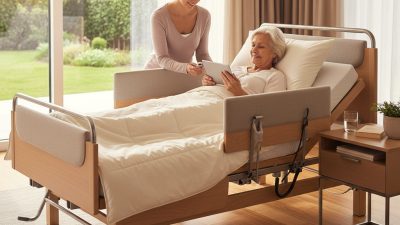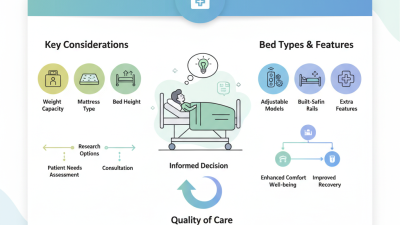
Choosing adjustable hospital beds for seniors is a practical decision, not merely a furniture purchase. The right bed can support safer transfers, easier repositioning, and more comfortable rest. It may also reduce daily strain for family caregivers and home-care professionals.
The World Health Organization reports that one in six people worldwide will be aged 60 or older by 2030. By 2050, this population is expected to reach 2.1 billion. That demographic shift makes suitable home-care equipment increasingly important. The U.S. Centers for Disease Control and Prevention also states that more than one in four older adults falls each year. Bed height, side rails, wheel-lock design, and transfer access therefore deserve careful attention.
Safety comes first.
This guide compares top adjustable hospital beds for seniors through practical features and credible evidence. It examines electric adjustment ranges, weight capacity, mattress compatibility, emergency lowering, noise, cleaning requirements, and warranty support. A bed that raises the head smoothly may help someone breathe or eat comfortably. A low position may reduce injury risk during nighttime transfers. Small details matter, especially when a caregiver operates the controls beside a dimly lit bed.
However, no product fits every senior. Clinical needs, room dimensions, caregiver ability, and local equipment standards can change the best choice. Price alone can mislead buyers. A cheaper frame may create higher replacement or maintenance costs later. This guide is not a substitute for professional assessment, and its recommendations should be reviewed with a qualified healthcare provider. Even careful comparisons have limits. That is worth acknowledging before purchase.
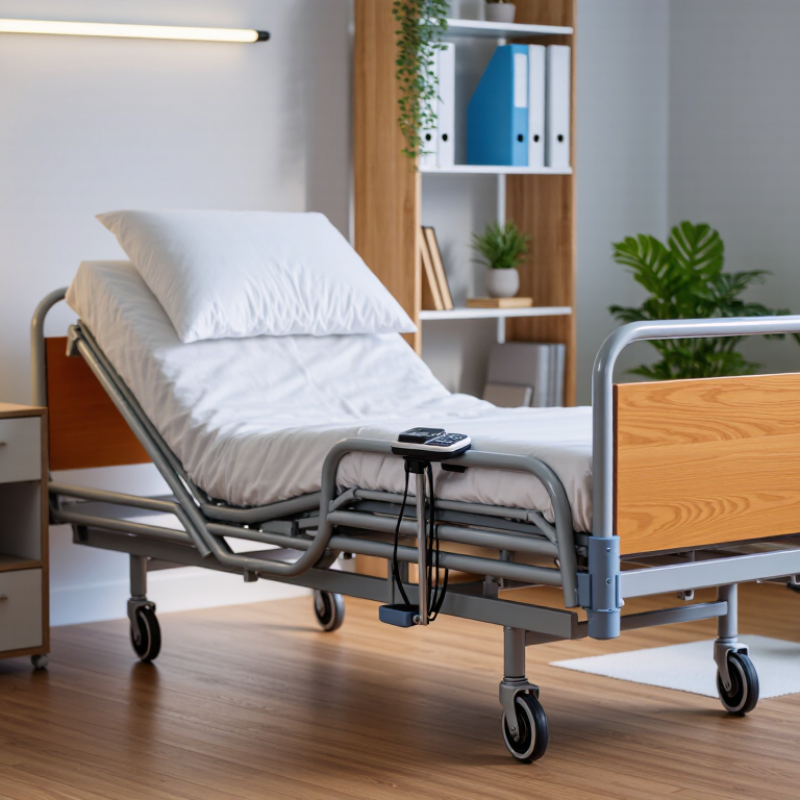
A suitable adjustable hospital bed should make daily movement safer, not merely look medical.
The CDC reports that one in four adults aged 65 and older falls each year. Therefore, height adjustment matters.
A lower position can reduce injury risk during transfers, while a raised position helps caregivers work without constant bending. The safest height still depends on the user’s leg strength, balance, and transfer method.
Comfort needs equal attention.
An adjustable backrest can support eating, reading, and breathing, while knee elevation may reduce sliding and uncomfortable pressure.
The World Health Organization reports that falls cause about 684,000 fatal injuries worldwide each year, with adults over 60 facing the greatest risk.
A firm mattress, appropriate pressure redistribution, and simple hand controls can support safer repositioning. Small details matter.
Look for clearly marked controls, emergency lowering, stable casters, and a weight rating that exceeds the user’s actual weight.
Side rails should not become automatic safety equipment. The FDA has repeatedly warned that bed rails can create entrapment and fall hazards, especially for confused or weak users.
A professional assessment is wiser than guessing.
It should consider room space, caregiver access, skin condition, and nighttime toileting. No bed fits every senior.
Even experienced buyers can miss something. Recheck the setup after a week, because real use often exposes problems that specifications hide.
Top Adjustable Hospital Beds for Seniors: Key Features to Compare Before Buying
An adjustable hospital bed should fit the user, room, and care routine. The CDC reports that one in four adults aged 65 and older falls each year. Bed height matters. A low position can reduce climbing distance, while a raised position helps caregivers work without excessive bending. Compare the minimum and maximum height, not only the advertised adjustment range. Check whether the handset has large, tactile buttons. Seniors with weak vision or limited dexterity may struggle with small controls.
Look closely at backrest and knee elevation. Independent movement can support eating, breathing, repositioning, and safer transfers. A stable mattress platform is essential. Confirm mattress dimensions, firmness options, and pressure redistribution features. The National Pressure Injury Advisory Panel recommends regular repositioning and individualized support surfaces for people at risk. Bed rails need careful assessment, too. FDA hospital-bed safety guidance highlights entrapment hazards around rails, mattresses, and frame gaps. Rails should support transfers, not function as an automatic restraint.
Noise, cleaning, and emergency operation are easy to overlook. Ask whether the motor remains quiet during nighttime adjustments. Examine seams, casters, and removable surfaces for practical cleaning. Confirm the safe working load, including the user, mattress, bedding, and accessories. A battery backup is valuable during outages, but its run time may be unclear. I would question vague specifications. More features are not always better. A complicated handset can create frustration, and an ultra-low frame may make standing harder for some users. Test the bed with the actual user and caregiver before purchase whenever possible.
| Feature to Compare | Why It Matters for Seniors | Typical Specifications or Options | What to Check Before Buying | Priority |
|---|---|---|---|---|
| Safe Working Load | Provides a safety margin for the user, mattress, bedding, and accessories. | Many beds support approximately 350–600 lb (159–272 kg), but the stated limit varies by model. | Confirm the manufacturer’s safe working load rather than relying only on the patient weight rating. Include the weight of the mattress and attached equipment. | High |
| Adjustable Bed Height | A low position can reduce injury risk during transfers, while a raised position can support caregiving tasks. | Common adjustment ranges are approximately 15–30 inches (38–76 cm) from the floor to the mattress platform. | Look for powered height adjustment, a low enough position for safe transfers, and a control that prevents accidental movement. | High |
| Backrest Adjustment | Supports sitting up for eating, reading, conversation, breathing comfort, and transfers. | Electric backrest movement commonly reaches approximately 60–70 degrees, depending on the design. | Test whether the movement is smooth and whether the hand control is easy to understand for the user and caregiver. | High |
| Knee and Leg Elevation | Can improve positioning comfort and help keep the user from sliding toward the foot of the bed. | Most fully adjustable beds provide powered knee elevation; some also offer a separately adjustable lower-leg section. | Check whether back and knee movements can be operated independently and whether the controls clearly identify each function. | High |
| Trendelenburg and Reverse Trendelenburg | May help with clinical positioning, but it should only be used when appropriate and under professional guidance. | Some medical beds provide head-down and foot-down positioning, often within a limited angle range. | Confirm that this function is genuinely required. Verify the user’s clinician approves it and that the bed includes a lockout or clear control mechanism. | Medium |
| Mattress Platform Size | A suitable sleep surface improves comfort and helps reduce unwanted gaps at the sides or ends. | Common mattress widths are about 36 inches (91 cm), with some wider options around 42 inches (107 cm). Lengths are often about 80 inches (203 cm). | Buy a compatible mattress with the correct length, width, thickness, and flexibility. Do not use a mattress that leaves hazardous gaps. | High |
| Mattress Compatibility | The wrong mattress can interfere with articulation, pressure relief, side-rail safety, and overall stability. | Adjustable hospital beds generally require a flexible medical mattress designed for the platform size and movement range. | Check the approved mattress thickness and type. Confirm that the mattress bends correctly when the back and knee sections are raised. | High |
| Side Rails and Assist Handles | Can support repositioning and reduce the chance of an unintended roll-off when used correctly. | Options may include full-length rails, split rails, quarter rails, or assist handles. Designs differ substantially. | Choose rails that do not create entrapment hazards. Verify spacing, locking action, ease of release, and compatibility with the mattress. | High |
| Patient and Caregiver Controls | Simple controls improve independence and reduce confusion during daily use. | Typical systems include a wired hand control, caregiver controls, function lockouts, and raised or tactile buttons. | Look for large, clearly labeled buttons, a long enough cord, waterproof or cleanable surfaces, and a lockout feature for restricted functions. | High |
| Emergency Lowering | Allows the bed to be moved to a safer position during a power interruption or equipment problem. | Depending on the design, emergency operation may use a battery backup, manual release, or mechanical lowering system. | Ask how the bed reaches its lowest position without mains power and how often the backup battery must be tested or replaced. | High |
| Battery Backup | Maintains access to essential positioning functions during short power outages. | Some beds include an integrated rechargeable battery; others require a separate backup system or provide no powered backup. | Confirm which functions operate on battery, expected standby life, charging time, battery replacement procedure, and battery status indicators. | Medium |
| Caster Size and Braking | Reliable wheels and brakes make transfers, cleaning, and repositioning safer. | Many medical beds use four locking casters, commonly around 3–5 inches (7.6–12.7 cm) in diameter. | Check that all casters lock securely, the brakes are easy for caregivers to reach, and the wheels roll over the intended flooring. | High |
| Floor Clearance and Under-Bed Access | Adequate clearance helps with cleaning and allows compatible lifting or transfer equipment to be used. | Clearance varies by frame design and by the selected bed height. | Measure doorways, bedroom space, and the clearance required by a hoist, transfer aid, or cleaning equipment before delivery. | Medium |
| Electrical Safety and Cord Management | Reduces the risk of electric shock, cable damage, and tripping. | Medical beds commonly use low-voltage actuators and include a power cord with strain relief; exact electrical ratings vary by region. | Use a properly grounded outlet, inspect cables regularly, keep cords away from moving parts, and look for applicable local medical-device safety compliance. | High |
| Cleaning and Infection Control | Smooth, washable surfaces make routine hygiene easier and help limit contamination. | Common materials include coated steel, molded plastic, and removable panels designed for approved cleaning products. | Review the cleaning instructions, chemical compatibility, removable components, and areas where moisture or debris can collect. | High |
| Noise Level and Movement Smoothness | Quiet operation is more comfortable and less likely to disturb sleep or cause anxiety. | Electric actuators vary in sound and speed; manufacturers do not always publish comparable noise measurements. | Operate every adjustment function before purchase if possible. Listen for grinding, sudden stops, uneven movement, or excessive vibration. | Medium |
| Transfer and Fall-Prevention Design | A stable, low bed and suitable support features can make standing and sitting safer. | Useful features may include a low-height setting, firm mattress support, assist handles, and a stable frame. | Have a healthcare professional assess the user’s transfer ability. A side rail is not a substitute for supervision or a personalized fall-prevention plan. | High |
| Assembly, Delivery, and Room Fit | A bed that cannot enter the room or be assembled correctly may be unsafe or unusable. | Frames may arrive partially assembled or in multiple sections. Overall bed dimensions can exceed mattress dimensions. | Measure doors, hallways, elevators, turning areas, and the final room. Confirm delivery, installation, removal of old equipment, and return policies. | High |
| Warranty, Parts, and Service | Reliable support reduces downtime when an actuator, control, caster, or battery needs replacement. | Coverage often differs between the frame, electrical components, motors, mattress, and accessories. | Read the warranty exclusions, expected parts availability, service response time, labor coverage, and battery replacement cost. | Medium |
| Professional Assessment | Individual mobility, skin integrity, cognition, height, weight, and care needs affect the correct configuration. | An occupational therapist, nurse, physiotherapist, or other qualified professional may recommend specific positioning and safety features. | Seek professional advice when the user has significant mobility limitations, pressure-injury risk, respiratory concerns, cognitive impairment, or a history of falls. | High |
Buying note: Specifications vary by model and region. Always verify the current user manual, safe working load, mattress requirements, side-rail guidance, electrical requirements, and applicable local medical-device safety standards before purchase.
Manual, semi-electric, and full-electric beds serve different senior-care needs. Manual beds use hand cranks, so they suit occasional home use and tighter budgets. Semi-electric models adjust the head and feet electronically, while height changes require a hand crank. Full-electric beds offer remote-controlled height, back, and knee movement. They help caregivers reduce bending during transfers and personal care.
Low-profile beds keep the mattress closer to the floor. They may reduce injury severity after a roll-out, but they can make standing harder. Bariatric beds provide wider frames and stronger support for larger users. Pressure-redistribution mattresses are useful for seniors with limited mobility, although they do not replace regular repositioning. The World Health Organization reports that falls are the second leading cause of unintentional injury deaths worldwide. The CDC also estimates that more than one in four adults aged 65 and older falls each year. These figures make height control and safe transfers practical priorities, not decorative features.
Tips: Match the bed to the user’s transfer ability, room size, and caregiver strength. Ask a clinician or occupational therapist to assess fall risk and positioning needs. Check mattress compatibility, side-rail risks, emergency lowering, and backup power. A low bed is not always safer. It may create a difficult rise from a low sitting position. Review the choice after several weeks; real home use can expose problems that showroom testing misses.
Typical number of independent adjustment functions available by bed type
Manual beds usually provide basic backrest and leg-position adjustments through hand-operated controls. Semi-electric beds commonly add powered height adjustment, while full-electric beds typically provide independent head, knee, height, and overall positioning controls. Low-profile beds are best suited to seniors with fall-risk concerns, and bariatric beds are designed for higher weight capacities and wider sleeping surfaces. Actual features vary by model and care requirements.
Top Adjustable Hospital Beds for Seniors: Safety, Comfort, and Accessibility Considerations
A suitable adjustable hospital bed should support safer movement, not merely offer more positions. The lowest setting can reduce injury risk during transfers, while a raised height helps caregivers work without excessive bending. Check the bed’s weight capacity, locking casters, side-rail design, and emergency lowering function. A bed is not automatically safer. Poorly adjusted rails may increase entrapment risks, especially for seniors with confusion or limited mobility.
Comfort depends on more than mattress softness. Look for a pressure-redistributing mattress that supports the shoulders, hips, and heels. Quiet motors matter when an older adult wakes frequently at night. The backrest should lift gradually, keeping pillows from sliding toward the footboard. Controls must have large labels and tactile buttons. Keep the handset within reach, but prevent cords from crossing walking paths. Small details matter.
Accessibility begins with the room. Measure doorways, turning space, and the distance to the bathroom before delivery. A bedside table should sit close enough for water, glasses, and medication, yet never block transfers. Ask a qualified healthcare professional to review positioning needs, especially after surgery or a fall. Family members often focus on features and overlook training. That is understandable, but risky. Even experienced caregivers can miss changing mobility needs. Recheck the settings after fatigue, new pain, or a change in balance. Test the brakes, controls, and lowest position in daylight. Safety improves when the bed fits the person, the room, and the daily routine.
Choosing an adjustable hospital bed for home care starts with the senior’s daily routine, not the bed’s feature list. Ask a clinician or occupational therapist to assess mobility, transfer ability, pain, and fall risk. A person who needs help standing may require a low frame and firm mattress. Someone with breathing problems may benefit from controlled upper-body elevation.
Measure the room, doorway, and hallway before ordering. Leave space for a caregiver to stand beside the bed. Check the bed’s weight capacity, mattress dimensions, height range, and control layout. Large, illuminated buttons can help seniors with weak vision or limited hand strength. Lockable wheels matter on smooth floors. Side rails need careful assessment because they can assist repositioning but may also create hazards for some users.
Try the controls before installation, if possible. Raise the bed to a caregiver’s working height, then lower it for safer transfers. Confirm that the mattress fits tightly and does not slide during adjustment. Look for surfaces that wipe clean after meals or personal care. The quietest motor is not always the most important feature. Reliable movement and simple operation matter more.
Home care rarely follows a perfect plan. Needs can change after a fall, surgery, or medication adjustment. Reassess the setup regularly with the care team. A bed that worked last month may now make transfers awkward. Keep cords away from walking paths, and teach every caregiver the emergency lowering procedure. Some details are easy to overlook.