How to Choose the Right Hospital Beds for Home?
Choosing the right hospital beds for home can significantly impact comfort and care. Dr. Emily Turner, a leading expert in home healthcare, emphasizes, "Selecting the right bed is crucial for patient recovery." This quote highlights the importance of making informed decisions in this area.
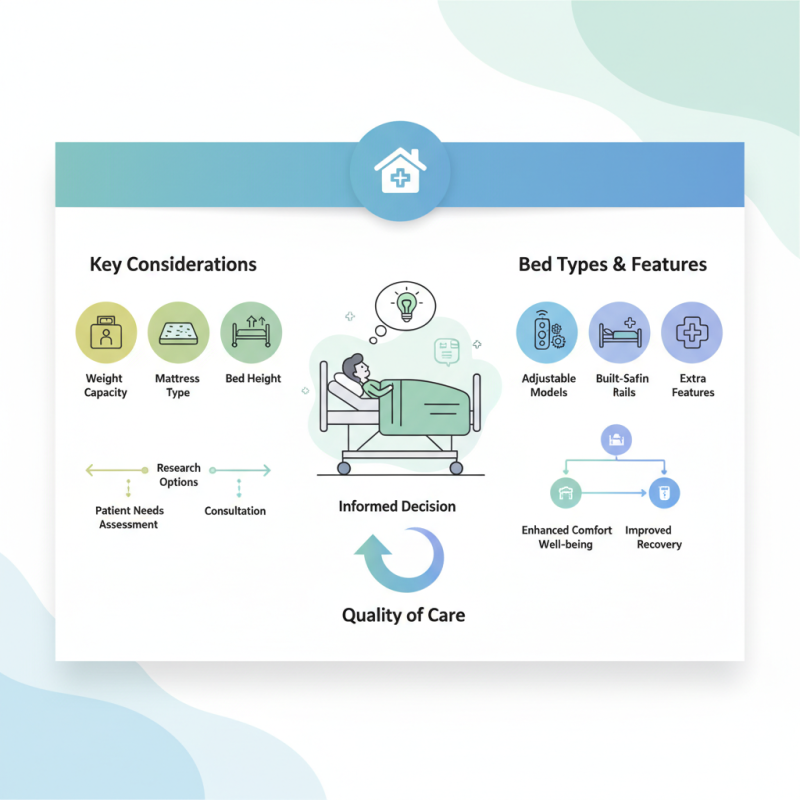
Many factors come into play when considering hospital beds for home. Options vary widely, from adjustable models to those with extra features like built-in safety rails. Understanding the patient’s specific needs is essential for proper selection. Each bed has unique functions that cater to different conditions, which can be both overwhelming and confusing.
While researching, one might overlook certain factors. Weight capacity, mattress type, and bed height can profoundly affect comfort and usability. It's easy to focus on price over quality, leading to regret later on. Taking the time to reflect on specific needs helps narrow choices effectively. Investing in the right hospital bed enhances not only comfort but also overall well-being.
Factors to Consider When Choosing Hospital Beds for Home Care
Choosing the right hospital beds for home care is essential. It impacts comfort, safety, and overall well-being. One key factor is patient needs. For instance, those with limited mobility require adjustable beds. These beds can assist in getting in and out. Reports indicate that approximately 70% of patients experience improved satisfaction with adjustable height features.
Weight capacity is another critical consideration. Most hospital beds support a range from 300 to 600 pounds. It is crucial to select a bed that accommodates the patient’s weight. This ensures safety and prevents wear. A study published in the Journal of Healthcare Engineering highlights that improper weight capacity leads to increased risks of bed-related accidents.
Lastly, consider mattress type and material. A high-quality pressure-relief mattress can prevent bedsores. Research shows that nearly 30% of bedridden patients develop pressure ulcers without proper support. Selecting the right mattress can significantly reduce this risk. Engaging with healthcare professionals can help families make informed decisions about these important features.
Types of Hospital Beds: Manual, Electric, and Semi-Electric Options
When choosing a hospital bed for home use, understanding the different types is crucial. Manual hospital beds offer basic functionalities like adjustable height and back support. Users can control these adjustments using hand cranks. This option is budget-friendly, but it requires more physical effort to operate. It may not be ideal for all users, especially those with limited mobility.
Electric hospital beds come with a remote control that allows for effortless adjustments. They can adjust the height, back, and leg positions with just a button press. This option is suitable for patients who spend long hours in bed, as it provides convenience and comfort. However, electric beds can be more expensive and require access to a power source, posing a challenge for some households.
Semi-electric beds combine features of both manual and electric options. Users can adjust the head and foot positions electronically, while height adjustments are manual. This type offers a balance between cost and convenience. Yet, some users may find the manual height adjustment cumbersome. Evaluating these choices is important for ensuring comfort, safety, and ease of use in a home care environment.
Importance of Weight Capacity and Size in Hospital Bed Selection
Choosing the right hospital bed for homecare is crucial for patient comfort and safety. One key consideration is weight capacity. Beds must support the patient's weight securely. Exceeding this limit can lead to bed malfunctions, posing safety risks. Improper weight handling may cause injuries. Be cautious and check specifications before purchasing.
The size of the hospital bed also plays a significant role. Beds need to fit well in the intended space. A too-large bed can make mobility difficult in the room. On the other hand, a small bed may not provide the necessary comfort. Patients often require space for adjusting positions or using assistive devices. Measure the area thoughtfully before deciding.
Consider individual needs as well. Patients with specific conditions may require specialized beds. Reflect on whether adjustable features are necessary. These can enhance comfort and ease of use. The right hospital bed balances size, weight, and special needs for effective care at home.
Evaluating Patient Needs: Mobility, Comfort, and Safety Requirements
Choosing the right hospital bed for home care requires careful evaluation of patient needs. Mobility is a key factor. Patients with limited movement may require beds that adjust easily. Studies show that 85% of individuals need assistance with changing positions. A bed with height adjustments can enhance both patient autonomy and caregiver ease.
Comfort is essential for recovery. A quality hospital bed should support various sleeping positions. Reports indicate that proper support can reduce pressure ulcers by 60%. Consider features like memory foam mattresses or adjustable head sections. Such additions contribute to better sleep quality and overall health.
Safety requirements cannot be overlooked. Patients at risk of falls benefit from beds with side rails. They provide essential support when getting in and out of bed. According to the National Institute on Aging, around 1 in 4 older adults falls each year. This statistic underscores the importance of safety features in home care beds. Addressing mobility, comfort, and safety ensures that the chosen bed meets the unique needs of each patient.
Patient Needs Assessment for Home Hospital Beds
This chart illustrates the evaluation of patient needs based on mobility, comfort, and safety requirements when choosing hospital beds for home care.
Additional Features: Adjustable Mattresses and Bed Accessories for Home Use
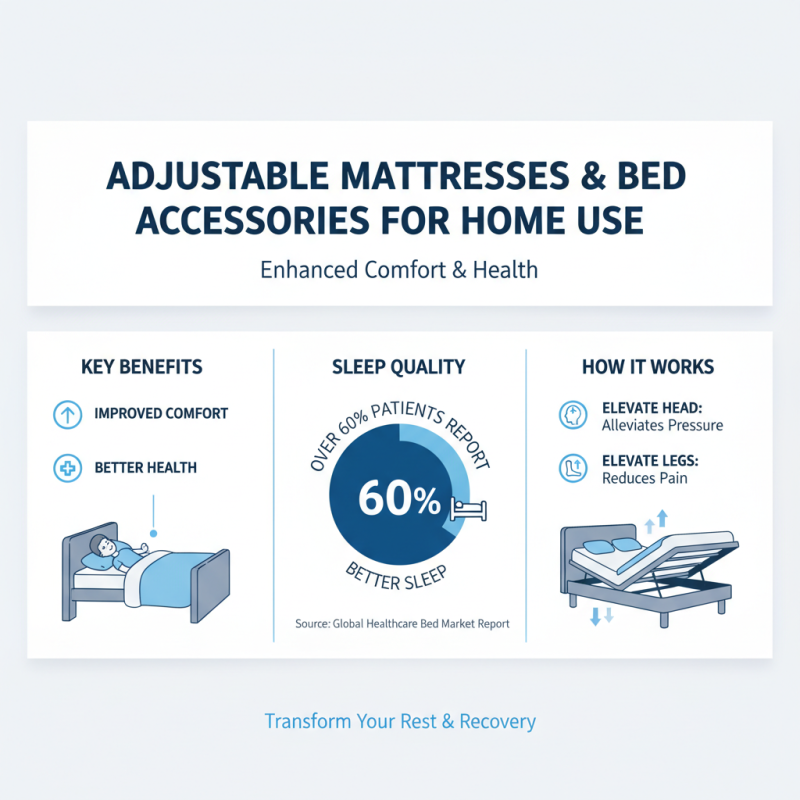
When choosing a hospital bed for home use, adjustable mattresses and accessories are vital considerations. Adjustable mattresses can dramatically improve comfort and health. According to a report by the Global Healthcare Bed Market, over 60% of patients report better sleep quality when using these specialized mattresses. Adjustability allows users to elevate their head or legs, alleviating pressure and reducing pain.
Bed accessories play a crucial role in enhancing functionality. Safety rails, for instance, help prevent falls. A study published in the Journal of Patient Safety shows that fall risk can be reduced by 30% with proper rail installation. Other accessories, such as bedside trays and infusion poles, add convenience for both patients and caregivers.
Yet, not all features are universally beneficial. A bed may have adjustable functions but may lack durability or ease of use. Users must weigh the advantages against potential shortcomings. Some might find fully adjustable beds too complex or expensive. It’s essential to assess individual needs and preferences carefully. The right setup can make a significant difference in daily living conditions.