How to Choose the Right Surgical Bed for Your Medical Facility?
When selecting the right surgical bed for a medical facility, the stakes are high. Surgical beds play a crucial role in ensuring patient safety and comfort during procedures. According to a report by the Global Market Insights, the surgical bed market is projected to reach $3.5 billion by 2026, highlighting rapid advancements in technology and design. This underscores the importance of making an informed decision when purchasing surgical beds.
Dr. John Peterson, a renowned expert in surgical equipment, emphasizes, "The right surgical bed can significantly enhance both the surgical team's efficiency and patient outcomes." In an environment where precision is key, the choice of surgical bed should reflect the specific needs of your facility. Factors such as adjustability, weight capacity, and ease of use can greatly affect operations.
However, selecting the perfect surgical bed is not without its challenges. Facilities often face budget constraints and constantly evolving technology. Balancing cost and quality requires careful thought. Hence, understanding both the immediate and long-term needs becomes essential in this decision-making process. Choosing wisely can make all the difference in delivering optimal care.

Understanding the Different Types of Surgical Beds Available in the Market
Choosing the right surgical bed for a medical facility is crucial. Different types of surgical beds cater to various surgical procedures and patient needs. Understanding these options helps ensure safety and efficiency in surgeries. One common type is the traditional surgical bed. These beds offer manual adjustment features. They provide basic support but may lack advanced functionalities.
Electric surgical beds have become popular. These beds allow for precise height and angle adjustments with just a push of a button. They enhance the comfort of both patients and surgical teams. However, they require regular maintenance and electrical safety checks. This is a potential drawback for some facilities.
Specialized surgical beds target specific surgeries. For example, orthopedic surgical tables often feature adjustable sections to support limb positioning. This adds complexity and requires more training. Facilities should assess their surgery types and space constraints when choosing. Balancing budget and functionality always involves some trial and error. Consider feedback from surgical teams to make a more reliable choice.
Understanding the Different Types of Surgical Beds Available in the Market
Key Features to Consider When Selecting a Surgical Bed for Your Facility
Choosing the right surgical bed for your medical facility is vital. Focus on key features that enhance functionality and patient comfort. Look for adjustable height options to facilitate easy access for medical staff. A stable and sturdy frame is essential to support various surgical procedures.
Consider the bed's ability to accommodate different patient positions. This is critical during surgeries that require specific angles. Safety features, like side rails and locking mechanisms, can prevent accidents and ensure patient security. Additionally, easy-to-clean surfaces help maintain hygiene in a surgical environment.
Think about the weight capacity needed for your facility. This might reflect the demographics you serve. Flexibility is important. Some surgical beds offer modular designs, allowing for customization. Finally, don't overlook the importance of staff training on proper bed usage. Misuse can lead to complications, highlighting the need for ongoing education and updates in protocols.
How to Choose the Right Surgical Bed for Your Medical Facility?
| Feature |
Description |
Importance |
Considerations |
| Weight Capacity |
The maximum weight the bed can safely support. |
High |
Ensure it meets your patient demographics. |
| Height Adjustment |
Ability to adjust the bed height for different procedures. |
Medium |
Consider staff ergonomics and procedure needs. |
| Mobility |
Ease of moving the bed within the facility. |
High |
Check for locking wheels and lightweight design. |
| Surface Material |
Type of material used on the bed surface. |
Medium |
Consider durability and ease of cleaning. |
| Adjustable Positioning |
Capability to adjust the tilt and position of the bed. |
High |
Necessary for various surgical procedures. |
| Safety Features |
Features that ensure patient safety, like side rails. |
Critical |
Look for compliance with safety standards. |
| Power Source |
Type of power used for adjustments (manual vs electric). |
Medium |
Consider reliability and emergency backup options. |
Evaluating the Safety and Ergonomics of Surgical Beds
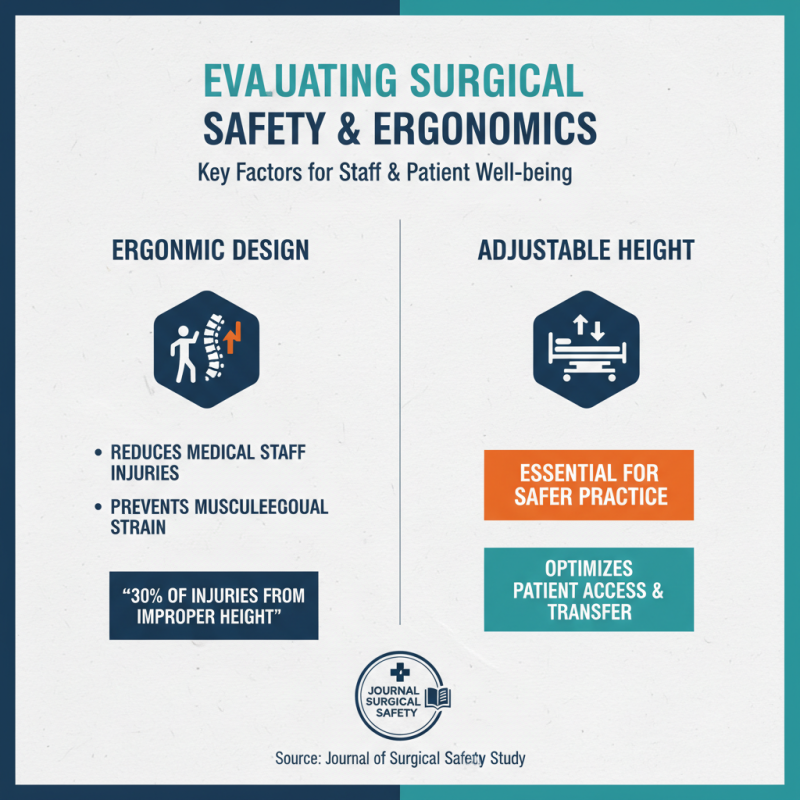
When choosing surgical beds, safety and ergonomics are paramount. Ergonomic design reduces the risk of injury to medical staff. According to a study from the Journal of Surgical Safety, improper bed height can lead to increased strain on healthcare providers, contributing to 30% of musculoskeletal injuries reported annually. Thus, adjustable bed heights are essential.
In addition, the bed should have safety features like side rails and locking mechanisms. The National Institute for Occupational Safety and Health recommends beds that can accommodate various patient sizes while providing optimal support. A comprehensive evaluation should include the ease of mobility for staff. Beds that are too heavy or difficult to maneuver can slow down response times during emergencies.
Patient comfort is equally important. A bed that is not adequately cushioned can lead to pressure sores, affecting recovery times. The American Hospital Association suggests that nearly 50% of surgical patients experience some form of discomfort due to inadequate bedding. Therefore, assessing materials and designs that enhance patient safety and comfort is crucial.
Budgeting for Surgical Beds: Costs and Lifespan Considerations
Budgeting for surgical beds requires careful planning. These beds are not just equipment; they are vital for patient care and surgical outcomes. The initial cost of surgical beds varies widely. Investing in high-quality models can lead to better durability. Lower-priced options may save money upfront, but can incur higher maintenance costs over time.
Lifespan is another crucial aspect. Quality surgical beds often last 10 to 15 years with proper care. Regular maintenance can extend functionality, but it also requires time and resources. Facilities should consider the costs of potential repairs. Calculating long-term expenses can reveal the true cost of ownership.
When budgeting, consider features crucial for your facility. Adjustable height, ease of mobility, and patient comfort are significant factors. Assessing the bed’s functionality can sometimes expose overlooked limitations. Choosing a surgical bed involves balancing budget constraints with the need for reliability and performance. Reflecting on these aspects will help ensure a wise investment.
Maintenance and Support: Ensuring Longevity of Surgical Beds
Maintaining surgical beds is crucial for any medical facility. Regular upkeep ensures that these beds function optimally, safeguarding patient safety. A daily inspection can reveal minor issues before they escalate into major problems. Staff should be trained on recognizing signs of wear and tear. This proactive approach helps in maintaining the integrity of the equipment.
Support from the manufacturer is another vital aspect. Having a reliable service plan in place can expedite repairs and maintenance. However, reliance on external support can sometimes delay urgent needs. Facilities should develop an in-house maintenance team for immediate responses. This strategy helps balance responsiveness and professional expertise.
Longevity of surgical beds is a shared responsibility. Facilities must not only purchase high-quality beds but also commit to proper maintenance practices. Scheduling routine checks and training staff on basic repairs can reduce dependency on outside services. Such measures can improve equipment lifespan significantly, but they require diligence and time investment from the staff. Regular reflection on these processes is essential for continuous improvement.