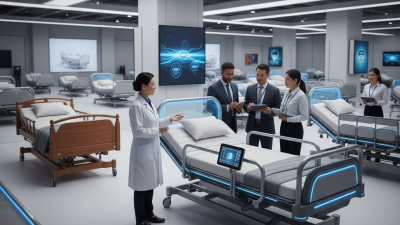
The landscape of healthcare is evolving rapidly, driven by groundbreaking innovations in medical equipment. These advancements not only enhance patient care but also streamline operations within medical facilities. As technology continues to develop, practitioners face the challenge of integrating these tools effectively.
Recent innovations in medical equipment include telemedicine devices, portable diagnostics, and robotic surgery systems. Such technologies have transformed how healthcare professionals diagnose and treat patients. Telemedicine equipment bridges the gap between patients and providers, ensuring access to care, even in remote areas. Yet, reliance on technology can pose risks, including data privacy concerns.
Medical equipment also brings forth challenges that require thoughtful consideration. High costs can limit access, especially in underfunded healthcare systems. Furthermore, the rapid pace of innovation may outstrip training for healthcare workers. Balancing cutting-edge technology with practical training is vital for maximizing benefits. The ongoing evolution in medical equipment inspires both hope and caution in healthcare today.
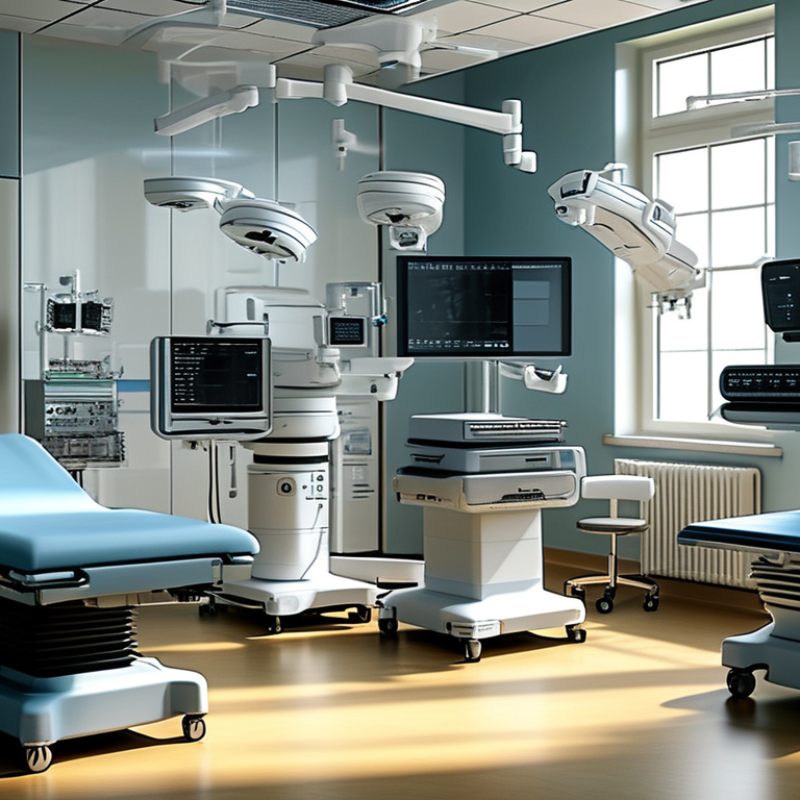
Innovative imaging technologies are reshaping the landscape of healthcare diagnostics. Techniques like MRI, CT scans, and ultrasound are becoming increasingly advanced. These innovations enhance diagnostic accuracy and provide clearer images. For instance, newer MRI machines reduce scan times while improving image resolution. This can lead to better treatment decisions and outcomes for patients.
Staying updated on these technologies is essential for healthcare professionals. They must be aware of the latest trends in imaging to leverage their benefits. Attending workshops or online courses can empower practitioners with new skills. Additionally, sharing knowledge among teams fosters a collaborative environment that enhances patient care.
Tips: Always verify the source of your imaging technology. Reliable information is crucial for implementation. Encourage open discussions about potential shortcomings of new technologies. Reflection on challenges can lead to improvements and better patient safety. Embracing innovation while maintaining critical thinking can drive healthcare forward effectively.
Wearable medical devices are reshaping patient monitoring. These innovations allow continuous data collection, enabling real-time health insights. A report by ResearchAndMarkets indicates that the global wearable health tech market is projected to reach $60 billion by 2024. This growth reflects a rising demand for innovative solutions in healthcare settings.
These devices monitor vital signs such as heart rate, blood pressure, and oxygen saturation. They provide accurate feedback, which can guide treatment decisions. However, data privacy remains a concern. Patients often worry about how their health information is stored and used. This issue calls for ongoing improvements in security protocols.
Tip: Always check the privacy policies of wearable devices before use for peace of mind.
Improving health outcomes relies on patient compliance and device usability. Not all patients find wearables comfortable or easy to use. Some express frustration with connectivity issues or the need for frequent charging. These challenges highlight the importance of user experience in the design process. Only then can we maximize the potential benefits of wearable medical devices.
Tip: Consider trial periods for wearables to see if they fit your lifestyle.
The landscape of surgical procedures is undergoing a significant transformation, particularly through advancements in robotic technology. Sophisticated robotic systems are now capable of performing delicate surgeries with unprecedented precision. According to a recent report from the International Journal of Medical Robotics, surgical robots can enhance accuracy by up to 50% compared to traditional methods. This improvement is crucial in minimizing patient recovery time and reducing complications.
While the benefits of robotic-assisted surgery are clear, challenges remain. Surgeons must undergo extensive training to use these advanced systems effectively. A study from the Journal of Robotic Surgery highlighted that only 30% of surgeons felt fully trained on robotic techniques. This gap in training may hinder the broader adoption of these technologies. Despite the high costs associated with robotic systems, healthcare providers are increasingly recognizing their potential.
Furthermore, successful integration requires seamless collaboration among multi-disciplinary teams. The complexity of robotic systems necessitates input from IT professionals and engineers alongside medical staff. A 2022 report from MedTech Insights found that nearly 40% of hospitals faced operational challenges related to system integration. Balancing the costs and training needs with the benefits of increased precision remains an ongoing debate in the healthcare sector.
This chart illustrates the impact level of various medical equipment innovations in the field of surgery today, with robotic surgical systems leading the way in precision and efficiency.
Telemedicine has revolutionized healthcare delivery, especially in remote areas. Innovations in telemedicine equipment are breaking down geographical barriers. More than 70% of hospitals reported an increase in telehealth usage during the pandemic. Patients now access care from the comfort of their homes.
Video conferencing technology has significantly improved. High-definition cameras and reliable internet connections are standard. Many patients appreciate virtual visits. According to recent surveys, over 60% of patients prefer remote consultations. They value convenience and reduced travel time. Yet, issues like digital literacy and access to technology remain challenges. Not every demographic benefits from these advancements equally.
Remote monitoring devices are another key innovation. Wearable technology tracks vital signs in real-time. A report from the World Health Organization indicated that remote monitoring can reduce hospital readmissions by 30%. However, concerns exist about data security and device reliability. As telemedicine continues evolving, these obstacles must be addressed. The goal is to make remote care accessible and effective for everyone.
The integration of IoT in smart hospitals is revolutionizing patient care. Hospitals are deploying smart technologies to monitor patients in real-time. Wearable devices track vital signs and send alerts to medical staff. This swift communication can lead to quicker interventions, often saving lives.
Data management has improved significantly. Electronic health records are now accessible at the touch of a button. This streamlines workflows and reduces the chances of errors. However, this shift to digital raises concerns about data security. Protecting patient information must remain a priority.
While many hospitals embrace these innovations, challenges persist. Not all healthcare workers are trained to use advanced technologies effectively. Additionally, some patients may not fully understand their devices. Continuous education and support are crucial for maximizing the benefits of smart hospital solutions. The path to improved healthcare is ongoing and requires thoughtful consideration at every step.
| Innovation | Description | Impact on Healthcare | Key Technologies |
|---|---|---|---|
| Telemedicine Platforms | Remote consultations allowing patients access to care from home. | Increased accessibility, especially in rural areas; reduced travel time. | Video conferencing, secure messaging, cloud storage. |
| Wearable Health Monitors | Devices that track health metrics like heart rate and activity levels. | Encourages preventive care; enhances patient engagement. | IoT, Bluetooth, health data analytics. |
| AI-Powered Diagnostic Tools | Algorithms that aid in diagnosing medical conditions using data. | Improved diagnostic accuracy; faster treatment decisions. | Machine learning, big data, predictive analytics. |
| Robotic Surgery Systems | Robots assisting surgeons for precision in minimally invasive procedures. | Reduced recovery time; minimal scarring. | Robotics, advanced imaging, haptic feedback. |
| Virtual Reality for Therapy | VR environments used for physical therapy and mental health treatment. | Enhanced patient experience; improved recovery outcomes. | Virtual reality, gamification, interactive simulations. |