TISCOMED

Top Hospital Beds for Home Buying Guide for Global Buyers

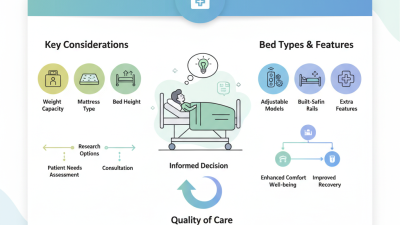
Choosing hospital beds for home requires more than comparing prices, photographs, or motor counts. A suitable bed should match the user’s mobility, height, weight, caregiver routine, room size, and local power supply. It should also support safe transfers, comfortable positioning, and easier cleaning. Small details matter. A bed may need to pass through a 75-centimeter doorway, fit beside a wheelchair, or operate quietly during nighttime care.

Demand for home-based care is becoming more visible worldwide. The WHO and UNICEF Global Report on Assistive Technology estimates that more than 2.5 billion people need assistive products, with this number expected to exceed 3.5 billion by 2050. Hospital beds are part of this wider care ecosystem. Market analyses from Fortune Business Insights also identify home healthcare and ageing populations as important drivers of hospital bed demand. However, global buyers should treat market forecasts as direction, not proof of product quality.

This guide examines bed types, safety features, mattress compatibility, lifting ranges, side rails, emergency lowering, and after-sales support. IEC 60601-2-52 can help buyers understand relevant safety expectations for medical beds. Yet certification claims require verification from reliable documents. The cheapest option may look sensible. It may not remain practical after shipping, assembly, or repairs. Buyers should request manuals, load ratings, warranty terms, replacement-part availability, and voltage details before ordering. No guide replaces a clinician’s assessment, and product descriptions can sometimes leave important gaps.
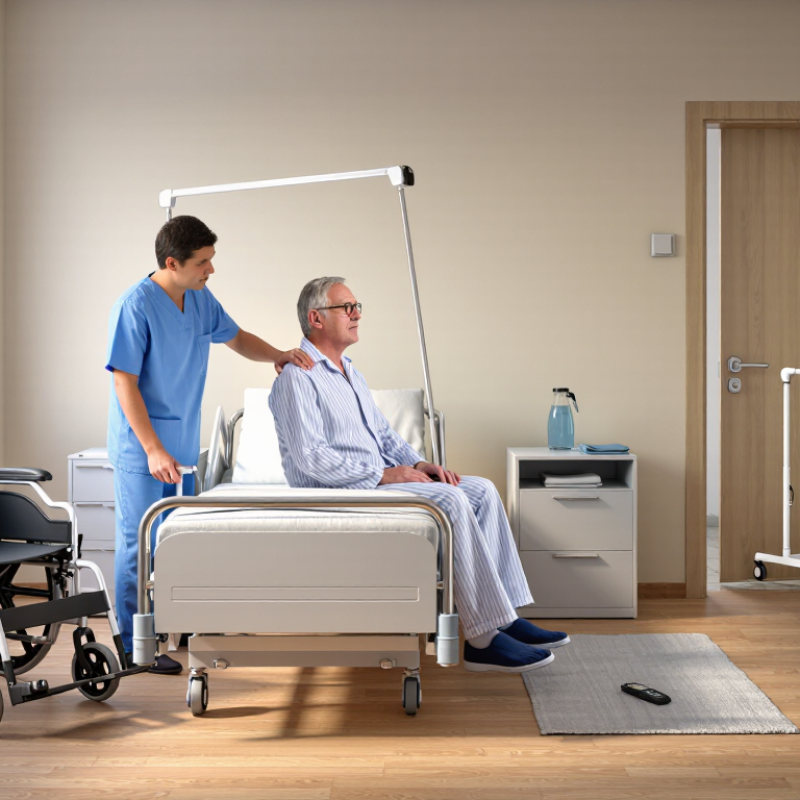
Top Hospital Beds for Home Buying Guide for Global Buyers

Hospital Bed Types and Their Main Home-Care Uses

Hospital Bed Types and Their Main Home-Care Uses

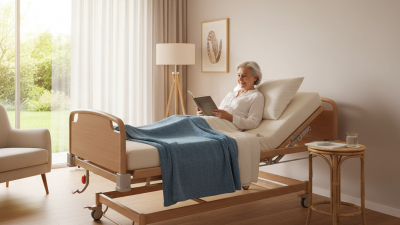
Home hospital beds are not one-size-fits-all equipment. An electric adjustable bed allows users to raise the back, knees, or entire mattress platform with a hand control. This design supports eating, reading, breathing comfort, and safer transfers. It suits people recovering from surgery or managing limited mobility. Caregivers also gain better working height, though the motor requires reliable electricity and periodic inspection.

Manual beds use hand cranks instead of powered movement. They can work well where power supply is unstable or budgets are limited. However, adjusting them may strain a caregiver’s back. Low-profile beds reduce injury risk during falls, while full-height models help with dressing, repositioning, and assisted transfers. Side rails should not be treated as automatic safety equipment. Incorrect positioning can create entrapment risks.

Specialized beds serve more specific needs. Bariatric beds provide wider sleeping surfaces and stronger weight support for larger users. Pressure-redistributing mattresses help people who spend long periods in bed, but they do not replace regular repositioning or skin checks. Pediatric models require age-appropriate sizing and supervision. In a home assessment, measure doorways, room clearance, mattress height, and caregiver reach before buying. Check local electrical standards, emergency lowering functions, weight limits, and service access. Small oversights matter. A bed may fit the patient but block the bathroom door. Professional advice is especially important when the user has breathing problems, fragile skin, confusion, or a high fall risk.

Essential Features for Comfort, Safety, and Patient Mobility

Top Hospital Beds for Home: Buying Guide for Global Buyers

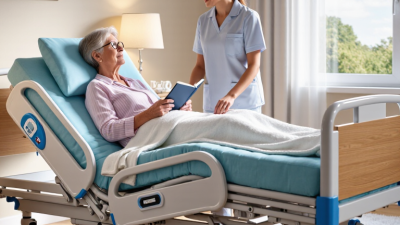
A home hospital bed should support comfort, safety, and patient mobility every day. Adjustable back and leg sections can reduce pressure during meals, reading, or rest. A height-adjustable frame also helps caregivers work with less bending. This matters during transfers, dressing, and routine cleaning.

Look for a firm mattress platform, smooth controls, and secure side rails. Rails should assist movement, not replace supervision. A patient may feel trapped if the rails are too high. That detail is easy to overlook.

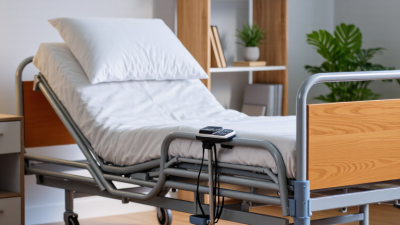
Tips: Measure the room, doorway, and elevator before ordering. Check the bed’s weight capacity, wheel locks, emergency lowering option, and control symbols. Confirm electrical voltage and plug requirements for your country. Ask a qualified healthcare professional whether the mattress and rail design suit the patient’s condition. Keep the handset within easy reach, but prevent cables from crossing walking paths.

Mobility features should match the user’s strength and balance.

A low entry height can reduce injury risk during standing. Lockable casters help keep the frame stable, while larger wheels may improve repositioning on uneven floors. Test the controls slowly. Some users need voice-free, oversized buttons because pain or weakness limits hand movement.

Caregiver experience also matters; a bed that looks advanced may be difficult to clean or operate. Local safety requirements differ, so review documentation from the supplier and arrange professional setup when possible. Pay attention to small gaps near the mattress, where clothing or limbs could become caught.

How to Match a Hospital Bed to Patient and Caregiver Needs

Fit matters more than appearance. A suitable hospital bed should match the patient’s mobility, pain, height, weight, and daily care routine. Ask whether the patient can turn independently, sit safely, or transfer to a wheelchair. These answers guide the need for adjustable back, knee, and overall bed height. A low position may reduce fall risk, while a higher position can protect a caregiver’s back during washing or dressing. However, “lower is always safer” is an incomplete idea. Some patients need enough height to stand with support.

Caregiver needs deserve equal attention. Check whether the handset is simple, visible, and usable with limited strength. Leave space beside the bed for walking, lifting equipment, and emergency access. Measure doors, corners, and flooring before ordering. The mattress must fit the bed frame precisely, without gaps near the side rails. Confirm the safe working load, cleaning method, noise level, and operation during a power outage. Local electrical requirements and service availability also matter for global buyers.

A clinician, occupational therapist, or trained supplier can assess transfer risks in the actual bedroom. Their advice is more reliable than a product photograph or a low price. I would test every control before accepting delivery. Small faults become exhausting at 2 a.m. Families often overlook caregiver fatigue, especially when care lasts for months. Reassess the setup after illness, weight change, or reduced mobility. The best match may need adjustment, not a permanent choice.

Global Buying Factors: Standards, Shipping, Power, and Warranty

Buying a hospital bed for home use requires more than comparing prices and mattress dimensions. Standards differ across countries, so check the required safety certification before ordering. Confirm the bed’s maximum user weight, side-rail design, emergency lowering system, and cleaning instructions. Ask for test reports, not only a product description. Local medical-device authorities may require additional registration or documentation.

Shipping also needs careful planning. Measure doorways, elevators, and turning spaces before choosing a full-size frame. Request the packed dimensions and total shipping weight. Some beds arrive in several cartons. Others need professional assembly. A small mistake here can delay installation for weeks. Protect the delivery area from rain and inspect every carton before signing.

Power compatibility is easy to overlook. Verify voltage, frequency, plug type, and motor safety requirements for your country. A voltage converter may not be suitable for medical equipment. Battery backup can help during outages, but confirm its operating time under load. Warranty terms should state coverage for motors, controls, rails, and replacement parts. Check whether service is available in your region and who pays return freight. Written response times matter. Vague promises are not enough. Keep invoices, serial details, manuals, and installation records in one file. They can support future repairs and warranty claims.

Comparing Costs, Suppliers, Installation, and Long-Term Maintenance

For global buyers, compare the full ownership cost, not only the bed’s purchase price. The World Health Organization’s Global Report on Assistive Technology estimates that more than 2.5 billion people need assistive products worldwide. Demand is growing, but specifications and service quality vary sharply by country. Basic manual beds often cost about US$500–1,500, while powered models can exceed US$3,000. These figures are indicative, based on published supplier quotations and public procurement listings. Import duties, freight, mattresses, side rails, and battery systems may add 20–40%. Sometimes, the cheapest quote is incomplete.

Supplier evaluation needs evidence. Request load testing, electrical certification, spare-parts availability, and written warranty terms. The U.S. Medicare DMEPOS fee schedule shows how regulators separate equipment, accessories, and maintenance billing. This is useful, even for non-U.S. buyers, because it exposes hidden cost categories. Installation should include delivery inspection, brake testing, height adjustment, and caregiver training. A narrow doorway can turn a good purchase into an expensive problem. For overseas orders, confirm voltage, plug type, customs responsibility, and local technicians before payment.

Long-term maintenance usually includes caster checks, actuator inspection, frame cleaning, and battery replacement. A two-year warranty does not guarantee affordable repairs. Ask for annual service rates and typical lead times. The WHO report also warns that assistive products fail when maintenance and user training are overlooked. That criticism deserves attention. Some buyers focus heavily on features, then discover that a simple replacement part takes six weeks to arrive. Keep the product manual, service records, and a contingency budget of roughly 5–10% of the purchase price annually.

Top Hospital Beds for Home: Global Buying Guide

Typical purchase, installation, and annual maintenance costs by hospital bed type. Figures are planning ranges in USD and vary by country, import duties, electrical standards, delivery distance, and service coverage.

Manual beds generally have the lowest ownership cost and are suitable when powered positioning is not required. Semi-electric and full-electric beds improve caregiver efficiency but add motor, control-system, and service costs. Bariatric models typically require reinforced frames, wider mattresses, stronger delivery equipment, and higher long-term maintenance budgets. Before purchasing, global buyers should confirm local voltage compatibility, mattress dimensions, weight capacity, spare-parts availability, warranty terms, and professional installation requirements.

Cost reference: commonly published 2024–2025 home-care and medical-equipment market ranges, consolidated into representative low-to-high planning estimates. Purchase prices exclude taxes, shipping, customs duties, mattresses, and accessories. Annual maintenance includes routine inspection, cleaning, lubrication, battery or actuator checks, and minor replacement parts.