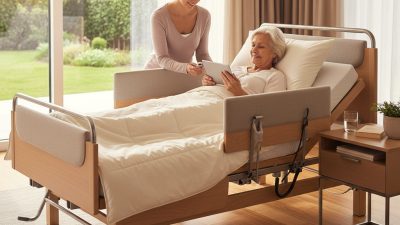
Top 10 Medical Hospital Beds for Patient Comfort and Care Solutions?
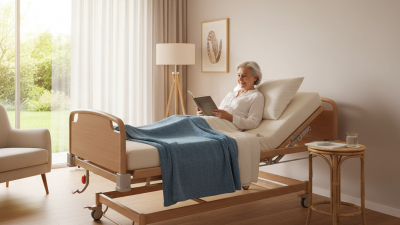
In modern healthcare, the role of medical hospital beds extends far beyond basic function. Dr. Samuel Brown, a senior consultant in hospital equipment design, emphasizes, "The right bed can transform patient care." Choosing the best medical hospital beds ensures patients receive optimal support and comfort during their recovery.
Recent advances in medical hospital beds have prioritized ergonomics and patient-centered features. Adjustable heights and customizable positions cater specifically to individual needs. Beds equipped with pressure-relief technology help prevent bedsores, improving overall patient well-being.
However, not all hospitals invest in high-quality medical hospital beds. Some facilities struggle with budget constraints, impacting patient care. This discrepancy highlights a critical area for improvement, as investing in better beds can enhance healing and satisfaction. Ensuring that every patient experiences comfort should be the goal of every medical establishment. The focus on quality in medical hospital beds can lead to better outcomes and a more positive healthcare experience.
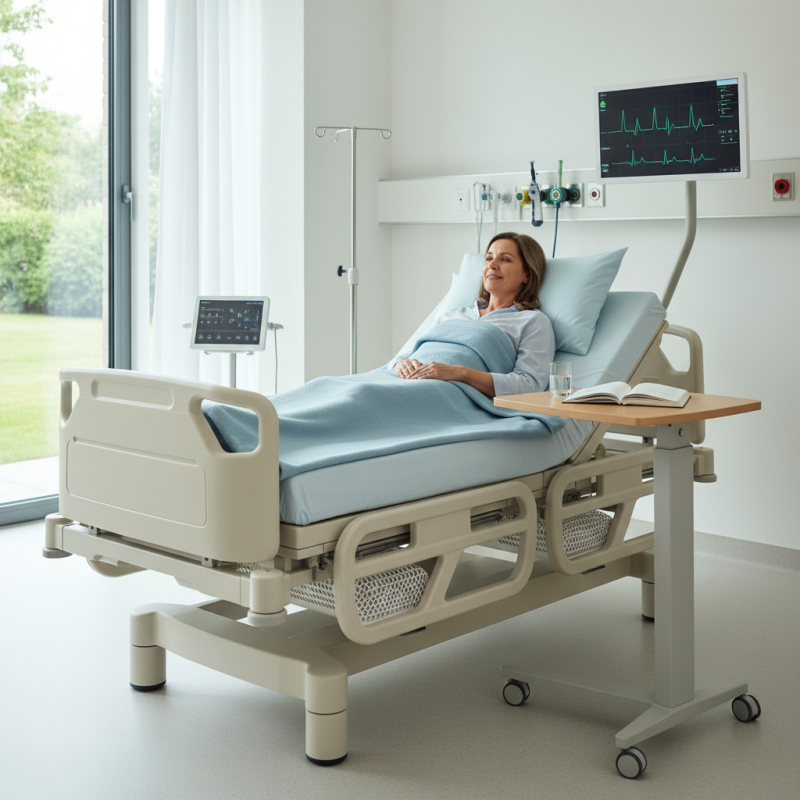
Understanding the Importance of Hospital Beds in Patient Care
Hospital beds play a critical role in patient comfort and care. Quality of sleep and comfort can significantly affect recovery times. A study by the American Journal of Nursing indicates that patients with better sleep quality often have shorter hospital stays. Selecting the right type of bed can improve overall patient satisfaction.
Investing in adjustable beds can help to accommodate various health conditions. Data from healthcare facilities show that beds with adjustable heights reduce strain on caregivers and promote better mobility for patients. Adjustable features allow patients to find their ideal position, enhancing comfort during long recovery times. Breathing difficulties and pressure ulcers are reduced in well-designed beds.
Tips: Regularly check bed settings to ensure they meet patient needs. Optimize mattresses for pressure redistribution. Engage patients in their bed adjustments whenever possible. Involving them enhances their sense of control, promoting a more positive hospital experience.
Key Features to Look for in Comfortable Medical Hospital Beds
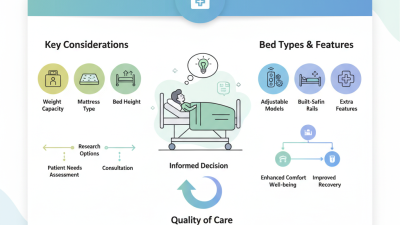
When selecting medical hospital beds, comfort is paramount. Key features play a significant role in enhancing patient care. Adjustable height allows staff to provide better care while facilitating easier patient transfers. According to industry reports, beds that accommodate various positions can reduce patient discomfort and improve recovery outcomes.
Materials used in bed design also matter. High-quality foam mattresses help in pressure relief, reducing the risk of bedsores. Some studies suggest that up to 17% of hospitalized patients develop pressure injuries. This statistic underscores the need for comfortable bedding solutions. Easy-to-clean surfaces are also important for infection control.
Tips: Evaluate your facility's needs before investing in new beds. Engaging with healthcare professionals can provide insights into the most pressing comfort requirements. Regular maintenance checks on hospital beds can enhance their longevity and effectiveness. Always consider patient feedback to adapt to their comfort needs better.
Top 10 Hospital Beds Enhancing Patient Comfort and Mobility
Hospital beds play a crucial role in enhancing patient comfort and mobility. The right bed can significantly improve patient care in a clinical setting. These beds often have adjustable features that cater to different needs. Patients can find relief through customizable positions. This flexibility helps alleviate pressure points and support proper posture.
Mobility is another essential aspect. Many modern hospital beds are designed to facilitate easy movement. Patients can shift positions independently, promoting autonomy. This can boost morale and lead to a faster recovery. However, not all beds offer the same level of support. Some designs may lack critical features. Caregivers must assess each bed's capabilities before implementation.
While some beds have advanced technology, user-friendliness can be an issue. Patients might struggle with complex controls. This challenge could hinder their comfort and mobility. It's essential to seek beds with simple, intuitive designs. Feedback from patients and caregivers offers invaluable insights. Conducting assessments can reveal strengths and weaknesses in bed performance.
Top 10 Medical Hospital Beds for Patient Comfort and Care Solutions
| Model |
Adjustability |
Weight Capacity (lbs) |
Material |
Special Features |
| Model A |
Electric (8 Positions) |
500 |
Steel |
Adjustable Height, Trendelenburg |
| Model B |
Manual (5 Positions) |
450 |
Aluminum |
Lightweight, Compact |
| Model C |
Electric (6 Positions) |
600 |
Wooden Frame |
Built-in Massage, Night Light |
| Model D |
Electric (Promise Position) |
750 |
Steel |
Inbuilt Weighing Scale |
| Model E |
Manual (6 Positions) |
500 |
PVC Coated Frame |
Foam Mattress, Removable Cover |
| Model F |
Electric (8 Positions) |
800 |
Stainless Steel |
Height Adjustable, Side Rails |
| Model G |
Manual (5 Positions) |
400 |
Iron |
Foldable Design |
| Model H |
Electric (7 Positions) |
700 |
Wood Composite |
UV Resistance, Caregiver Control |
| Model I |
Manual (4 Positions) |
350 |
Plastic |
Anti-bacterial Surface |
| Model J |
Electric (5 Positions) |
600 |
Steel Frame |
Smart Control System |
Innovative Technologies in Modern Medical Hospital Beds
Modern medical hospital beds are evolving rapidly, integrating innovative technologies that enhance patient comfort and care. According to a report from the Healthcare Innovation Institute, 68% of healthcare professionals believe that advanced bed designs significantly improve patient outcomes. Adjustable height features, for instance, can reduce fall risks by 30% in hospitals. These beds not only accommodate patient needs but also aid nursing staff in providing better care.
Smart hospital beds now come equipped with sensors. They monitor patient movements and vital signs in real-time. This data helps medical staff respond swiftly to changes in a patient’s condition. A study from the Journal of Patient Safety indicates that using these technologies can decrease response times by up to 25%. However, reliance on technology also raises concerns. There is a risk that staff may become overly dependent, potentially overlooking essential hands-on assessments. Integrating technology should complement, not replace, traditional care approaches.
Wireless charging capabilities in hospital beds also facilitate better mobility. Patients can use devices and call for help without tangling cords. However, not all hospitals can afford these technological upgrades, leading to disparities in patient care. As innovations continue, the challenge lies in ensuring equal access for all healthcare facilities. This need for balance is crucial, as advancements must be inclusive to enhance patient care universally.
Top 10 Medical Hospital Beds for Patient Comfort
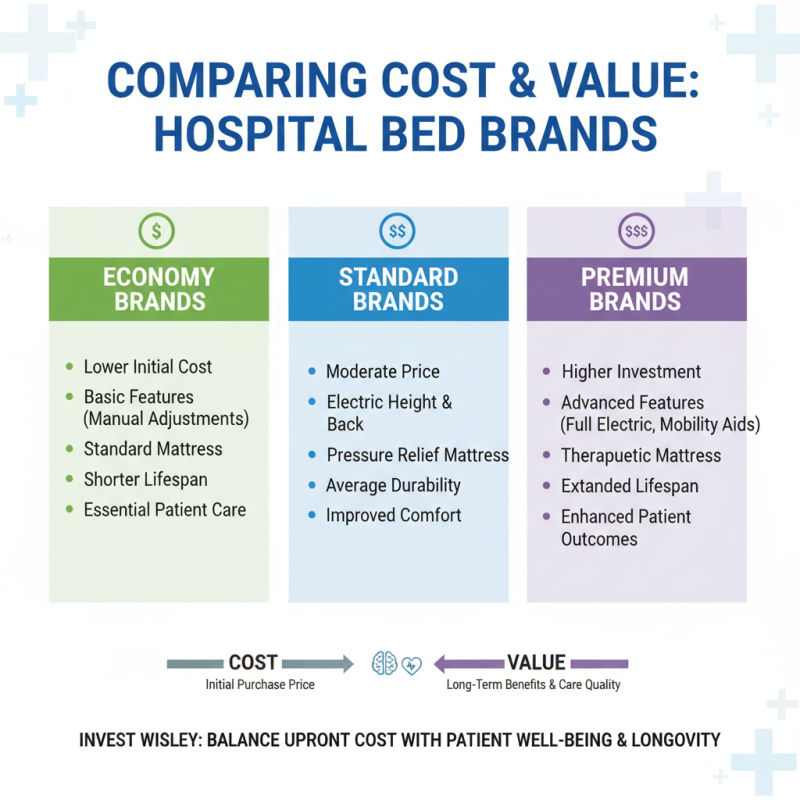
Comparing Cost and Value of Leading Hospital Bed Brands
When selecting the right hospital bed, it's essential to weigh cost against value. Different beds have varying features that cater to patient comfort and care needs. While high-quality beds may come with a higher price tag, their benefits often justify the investment. Features such as adjustable heights, pressure relief mattresses, and built-in mobility aids can significantly enhance patient care.
Tips: Look for beds that offer flexibility in settings. Adjustable beds can help patients in various stages of recovery. This adaptability allows caregivers to optimize positions for both comfort and therapeutic needs.
Additionally, consider the warranty and service agreements. A longer warranty can indicate a manufacturer’s confidence in their product. However, it doesn’t always mean better value. Sometimes, the lower-cost options provide adequate support with fewer features.
Evaluate how easy it is to switch between different bed functions. Complicated controls can frustrate both patients and caregivers. Simple interfaces often lead to better care outcomes.
Choose wisely, as the right bed can impact recovery and overall patient satisfaction.