
TISCOMED

What Are the Top Surgical Bed Types in 2026?

The best surgical bed in 2026 is not simply the one with the most features. It is the one that supports safe positioning, efficient procedures, and reliable cleaning in the operating rooms where it will be used. A bed’s weight capacity, adjustment range, imaging compatibility, and accessory options can shape daily workflow. So can practical details: how smoothly it moves, whether controls are easy to reach, and how quickly staff can prepare it between cases. Small details matter.

This guide compares leading surgical bed types, including general-purpose, specialty, imaging-compatible, and modular models. It will examine the needs each type serves, the trade-offs buyers should weigh, and the questions to ask before choosing equipment. A named industry expert’s quotation should not be invented or presented as fact. No source article or verifiable expert statement was provided, so a verified quotation and attribution are needed before publication. Until then, the comparison should rely on checkable product specifications, clinical requirements, and documented user feedback—not confident-sounding claims alone.
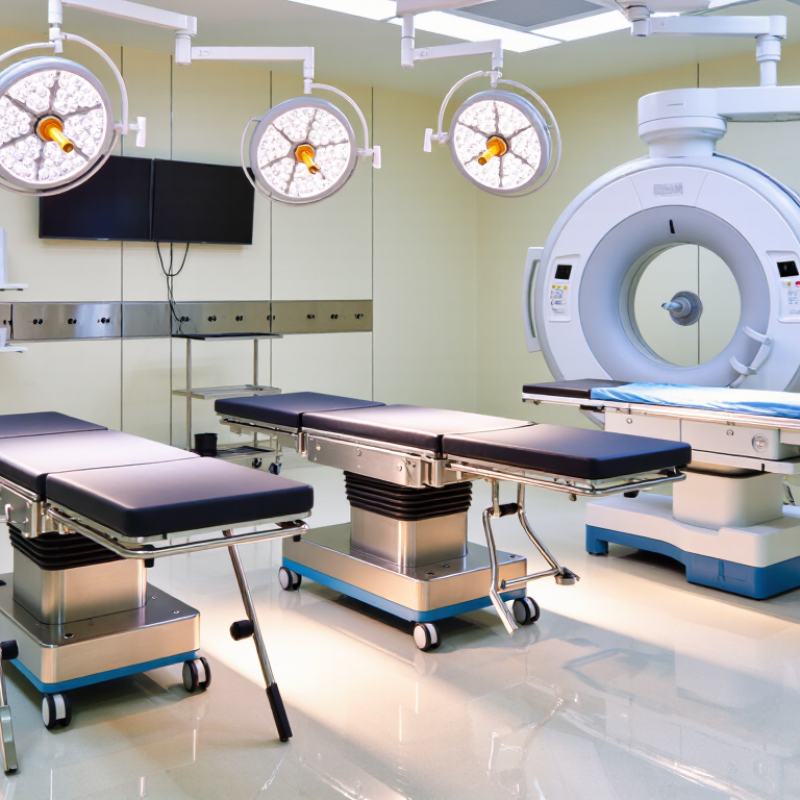
What Are the Top Surgical Bed Types in 2026?

What Defines a Surgical Bed and Its Role in the Operating Room?

A surgical bed, more often called an operating table, is a powered platform designed to support a patient while the surgical team works. It adjusts in height and position, helping clinicians align the patient with the procedure, imaging equipment, and staff. Its role is practical, but not minor. The table must remain stable, allow access to the surgical site, and work with compatible supports and accessories. A narrow positioning error can matter. Pressure points, restricted movement, or a poorly placed arm may create avoidable risks during a long operation.

The scale of that responsibility is clear in a 2015 Lancet study by Weiser and colleagues, which estimated 312.9 million surgical procedures worldwide in 2012. That figure is an estimate, not a current annual count, but it shows how many patients rely on safe operating-room equipment. In daily use, teams check table movement, brakes, attachments, and patient supports before positioning. A smooth height adjustment helps staff avoid awkward lifting; a stable tilt can improve access without shifting the patient. Still, equipment alone cannot guarantee safe positioning. Training, communication, and repeated checks matter—and busy teams may occasionally miss a small detail. That is exactly why the bed’s design and routine inspection deserve attention.

Which Types of Surgical Beds Are Commonly Used in 2026?

In 2026, general-purpose operating tables remain common in hospitals and ambulatory surgery centers. Their adjustable height, removable sections, and positioning controls support many routine procedures. For orthopedic surgery, fracture tables help stabilize a patient’s limbs and maintain access to the surgical site. These setups can look simple, but careful positioning matters. Small adjustments may affect comfort and access.

Specialty tables serve procedures with more specific needs. Radiolucent tables allow imaging equipment to work around the patient, while neurosurgical and cardiac tables support precise positioning. Bariatric-rated tables are designed for higher weight capacities, though teams still need to check the table’s limits and accessory ratings. The right choice depends on the procedure, imaging needs, patient condition, and facility workflow—not just the table’s feature list.

Tips: Confirm weight capacity, compatibility with imaging equipment, and available positioning accessories before a procedure. Check brakes and controls during routine inspections. A feature may sound useful, yet staff need training to use it safely. There is no perfect table for every case. Reassess needs as procedures and patient populations change.

How Do Surgical Bed Types Differ in Features and Applications?

What Are the Top Surgical Bed Types in 2026? How Do Surgical Bed Types Differ in Features and Applications?

Surgical tables differ in movement, support, and compatibility with clinical equipment. General-purpose electric tables adjust height, tilt, and back sections for common procedures. Their flexible positioning suits many operating rooms.

Imaging-compatible tables use radiolucent surfaces, allowing X-rays or C-arm imaging without moving the patient. This can save time during image-guided procedures.

Orthopedic tables may include traction attachments to help stabilize limbs during surgery. Bariatric models provide wider surfaces and higher weight capacities, but staff should still check each model’s specifications. No single table fits every case.

Tips: Match the table to the procedure, patient needs, and room equipment. Check safe working load, adjustment range, and accessory compatibility before use. A small mismatch can complicate positioning. It happens.

Specialty tables are designed for particular procedures, such as gynecological or neurological surgery. They may offer specialized supports or precise positioning, but can be less versatile for other work.

In practice, setup time and staff familiarity matter as much as listed features. A feature-rich table may not help if accessories are difficult to attach or controls feel unintuitive. Needs also vary between facilities, so selection should involve surgical, nursing, and biomedical staff.

What Factors Guide the Choice of a Surgical Bed?

Choosing a surgical bed starts with the procedure, not the feature list. A team performing lengthy operations may need a stable surface, precise height adjustment, and easy access around the patient. For imaging-guided work, check whether the bed allows the required equipment to move freely. Small clearance issues can disrupt a carefully planned setup.

Patient size and mobility matter, too. Confirm the bed’s safe working load, surface dimensions, and transfer options against the needs of the people who will use it. Side supports, pressure-distributing surfaces, and secure positioning aids may help, but they must suit the procedure and clinical plan. Comfort is not a minor detail. It can affect positioning and pressure exposure during long cases.

Then consider the room and daily workflow. Measure doorways, turning space, and storage areas before selecting a bed. Check how smoothly it moves, how controls are reached, and whether staff can clean its surfaces without awkward gaps. Maintenance access and staff training deserve attention as well. I’ve seen equipment look ideal on paper, yet feel cumbersome in a crowded room. That mismatch is worth questioning. Compare needs with actual demonstrations and input from surgeons, nurses, and facilities staff.

What Technologies Are Shaping Surgical Beds in 2026?

In 2026, surgical beds are becoming more than adjustable platforms. Powered movement lets teams change height, tilt, and patient position with fewer manual steps. Controls built into handsets or bed rails can make adjustments easier during a procedure. Clear labels matter. In a busy operating room, an unfamiliar control can slow the team down.

Imaging needs are shaping bed design, too. Radiolucent surfaces and compatible accessories help clinicians capture images without repeatedly moving the patient. Some systems add sensors to monitor bed position, load, or movement. These features may support safer setup, but they do not replace staff checks. A warning can be missed. That is a real limitation.

Battery backup, lockout functions, and connected controls are also gaining attention. A stable power supply can keep essential adjustments available during brief interruptions. Network links may help with maintenance alerts, though facilities should assess data security and compatibility before connecting equipment. The best technology is not always the most complex. Staff need practical training, and controls should remain usable with gloves on. Small details count, even if they are easy to overlook.

What Are the Top Surgical Bed Types in 2026?

Common surgical bed types and technologies shaping operating-room care. The chart is a qualitative comparison of typical capabilities—not market-share or adoption data; features vary by model.

A filled cell indicates a capability commonly available for that bed type, not a guarantee on every table. Imaging access, powered positioning, and patient-weight capacity depend on the specific configuration.