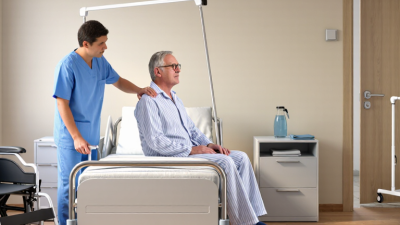
What Types of Medical Beds Are Available?
Choosing among medical beds is not simply a matter of comparing features. The right bed must fit the patient, caregiver, room, and care plan. A frail older adult may need low height, side-rail support, and gentle repositioning. A patient recovering from surgery may need adjustable back and knee sections. Someone with limited mobility may benefit from an electric profiling bed and an integrated pressure-redistributing mattress.
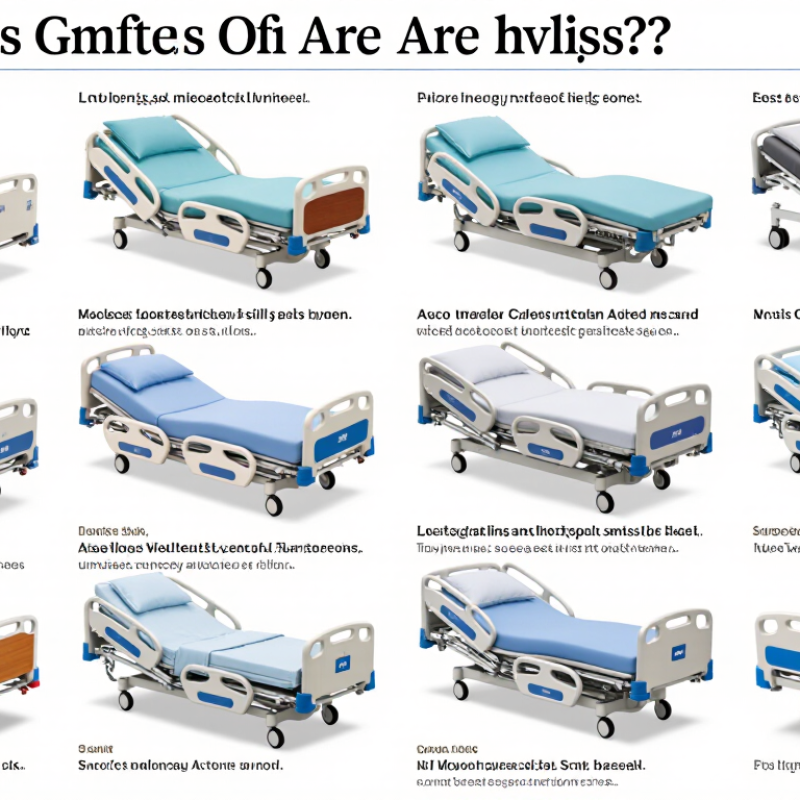
The main categories include manual beds, semi-electric beds, full-electric beds, low beds, bariatric beds, ICU beds, pediatric beds, and specialized pressure-care systems. Each design solves a different clinical problem. None is perfect. A low bed may reduce fall injury, yet it can make transfers harder for some patients. A bariatric model offers wider support, but its size can restrict movement around a small room.
Biomedical engineer Professor Amit Gefen, known for pressure-injury research, has emphasized, “Support surfaces should be selected according to the patient’s risk, not by appearance alone.” That principle deserves attention. A polished frame does not guarantee comfort, safety, or clinical value.
Reliable selection requires more than a product brochure. Assess weight capacity, height range, mattress compatibility, emergency positioning, cleaning needs, and control accessibility. Ask how the bed behaves during real care. Can a nurse adjust it quickly beside a crowded bedside table? Can a caregiver understand the handset without guesswork?
This guide examines the major types of medical beds and their practical uses. It also considers limitations, because equipment decisions deserve honest reflection. The most advanced bed may still be the wrong bed.
Medical Bed Basics and Core Design Features
What Types of Medical Beds Are Available?
Medical beds support more than rest. They help patients reposition safely and help caregivers provide daily assistance. Common types include manual, semi-electric, and full-electric beds. Manual beds use hand cranks, while electric models adjust height, backrest, and leg sections with controls. Low beds reduce injury risk during nighttime movement. Bariatric beds provide wider surfaces and stronger frames for higher weight capacities.
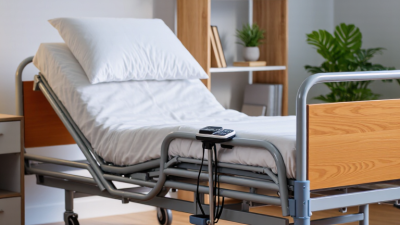
Core design features deserve careful attention. Adjustable height can reduce caregiver strain during transfers. A raised backrest may support eating, breathing, or conversation. Knee elevation can improve comfort and reduce sliding. Locking casters keep the frame stable, but they must engage fully. Side rails may assist repositioning, yet they are not suitable for every patient. Poorly selected rails can create entrapment risks. Mattress dimensions must match the frame exactly. Small gaps can become dangerous.
Tips: Check the patient’s mobility, height, weight, and transfer needs before choosing a bed. Confirm the safe working load, emergency lowering function, and control accessibility. Keep cords away from walkways. Test every movement slowly. A bed can look secure but still fit poorly in a small room. Reassess the setup after recovery changes, because yesterday’s safest position may not work today. A qualified clinician or equipment specialist should review complex needs.
What Types of Medical Beds Are Available? — Medical Bed Basics and Core Design Features
How to read this chart: The chart shows common adjustment functions found in representative medical-bed configurations. A value of 1 means the function is typically included, while 0 means it is not typically included. Actual specifications vary by bed model and care setting.
Main Types of Medical Beds by Function and Patient Need
What Types of Medical Beds Are Available?
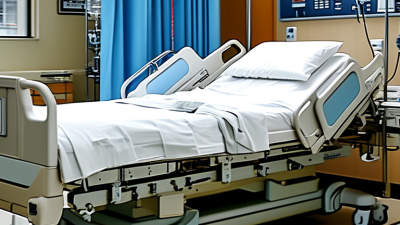
Medical beds differ by function, mobility, and patient risk. Standard electric beds support routine inpatient care. Their height adjustment, backrest, and knee elevation help nurses work safely and patients reposition more easily. Low beds suit people with fall risks. They keep the mattress closer to the floor. Short sentences matter here.
Critical-care beds add features for unstable patients. Integrated weighing systems track fluid changes without transfer. Lateral rotation can support respiratory care and reduce prolonged pressure. Pressure-redistributing mattresses are useful for patients with limited movement. The World Health Organization’s Global Patient Safety Action Plan 2021–2030 identifies falls and pressure injuries as important preventable harms. Bed selection should reflect those risks, not only room layout.
Bariatric beds provide wider frames and higher safe working loads. Pediatric beds use enclosed sides and smaller dimensions. Homecare beds usually prioritize quiet motors, simple controls, and caregiver access. Some models combine these functions, but compromises remain. A heavy critical-care frame may be unsuitable for a small home. According to OECD Health at a Glance 2023, OECD countries averaged 4.3 hospital beds per 1,000 people in 2021. Capacity differs widely, so facilities should assess patient turnover, staffing, and available space. The World Health Organization also stresses person-centred care, which means checking height, weight, cognition, skin condition, and transfer ability before purchase. One checklist cannot capture every patient.
Adjustable Features, Safety Systems, and Patient Support Options
What types of medical beds are available? The safest choice depends on mobility, diagnosis, caregiver access, and daily routines. Electric adjustable beds can raise the backrest, elevate the knees, and change overall height. These movements support feeding, breathing, transfers, and safer bedside care. A low-height setting may reduce injury risk during unsupervised movement. Trendelenburg positioning should require clinical justification and trained staff.
Safety systems matter as much as movement.
Integrated side rails can provide hand support, but they may also create entrapment risks. The U.S. Food and Drug Administration identifies bed entrapment as a serious, preventable hazard. Proper mattress dimensions, rail spacing, alarm settings, and routine inspections remain essential. Avoid treating alarms as a complete solution. Staff can miss alerts in noisy rooms.
Patient support options include pressure-redistributing mattresses, removable headboards, locking casters, and overbed tables.
The Agency for Healthcare Research and Quality reports that approximately 2.5 million hospitalized patients develop pressure injuries annually in the United States. That figure supports regular repositioning, skin checks, and individualized support surfaces. The World Health Organization reports that about one in ten patients experiences harm during healthcare delivery. Bed design cannot remove every risk. In practice, rushed transfers and poorly fitted mattresses still undermine good equipment. A careful assessment should include body size, fall history, cognition, continence, and caregiver technique. Sometimes the most advanced setting is not the safest one.
Sources: FDA, Hospital Bed System Dimensional and Assessment Guidance; AHRQ, Preventing Pressure Ulcers in Hospitals; WHO, Global Patient Safety Action Plan 2021–2030.
How to Choose a Medical Bed for Different Care Environments
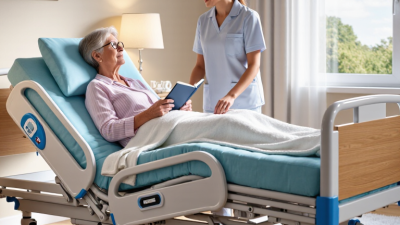
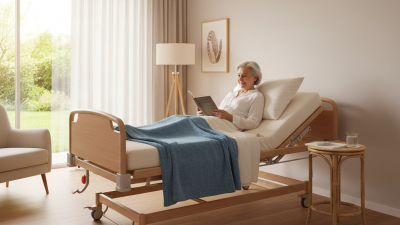
Choosing a medical bed starts with the care environment, not the bed catalogue. At home, an electric adjustable bed can support transfers, wound care, and caregiver positioning. Measure doorways, turning space, and floor strength first. A narrow room may make an advanced bed impractical. The World Population Ageing 2020 report projects that one in six people worldwide will be aged 60 or older by 2030. Home care demand will likely grow.
Hospitals need beds with frequent height adjustment, lockable casters, side rails, and easy-clean surfaces. Intensive care beds require integrated monitoring and positioning functions. Long-term care settings may benefit from low-height beds, pressure-redistribution surfaces, and durable controls. The Agency for Healthcare Research and Quality emphasizes individualized fall-risk assessment, rather than relying on one safety feature. That matters. Rails can prevent some falls, but they may also create entrapment concerns or encourage unsafe climbing.
For larger patients, bariatric beds must match the person’s weight, width, and transfer equipment. Check the safe working load, mattress compatibility, emergency lowering, and battery backup. Ask who will operate the controls. Staff need training, while home users need simple instructions. The WHO’s Global Report on Ageing and Health links functional ability with supportive environments, not equipment alone. A bed cannot replace skilled observation. In practice, teams sometimes choose the most adjustable model, then discover that cleaning, repairs, or room access are difficult. That mistake deserves more attention.