10 Best Healthcare Tech Suppliers for Global Buyers
Choosing among the 10 best healthcare tech suppliers for global buyers is not simply a search for impressive devices or polished software. It is a practical assessment of whether a supplier can support clinicians, patients, and technical teams across different care settings. A hospital may need imaging equipment that fits existing rooms, while a clinic may prioritize dependable connectivity and straightforward maintenance. Small details matter.
As WHO Director-General Dr. Tedros Adhanom Ghebreyesus has said, “The future of health is digital, and we must do everything we can to make sure everyone has access to it.” That vision puts accessibility alongside innovation. For buyers evaluating healthcare tech, useful questions include whether products can integrate with current systems, how suppliers handle training and support, and what evidence backs performance claims. Availability, service coverage, and local infrastructure can vary widely, so a strong reputation alone is not enough.
This guide introduces suppliers across areas such as medical devices, digital platforms, diagnostics, and connected care. It is a starting point, not a universal verdict. A solution suited to a large urban hospital may be excessive for a rural provider; even experienced buyers can overlook that gap. Compare documented capabilities, request clear specifications, and consider how a product will work in everyday clinical conditions—not just in a demonstration. There is no perfect shortlist.
Understanding Healthcare Technology Suppliers and Their Global Role
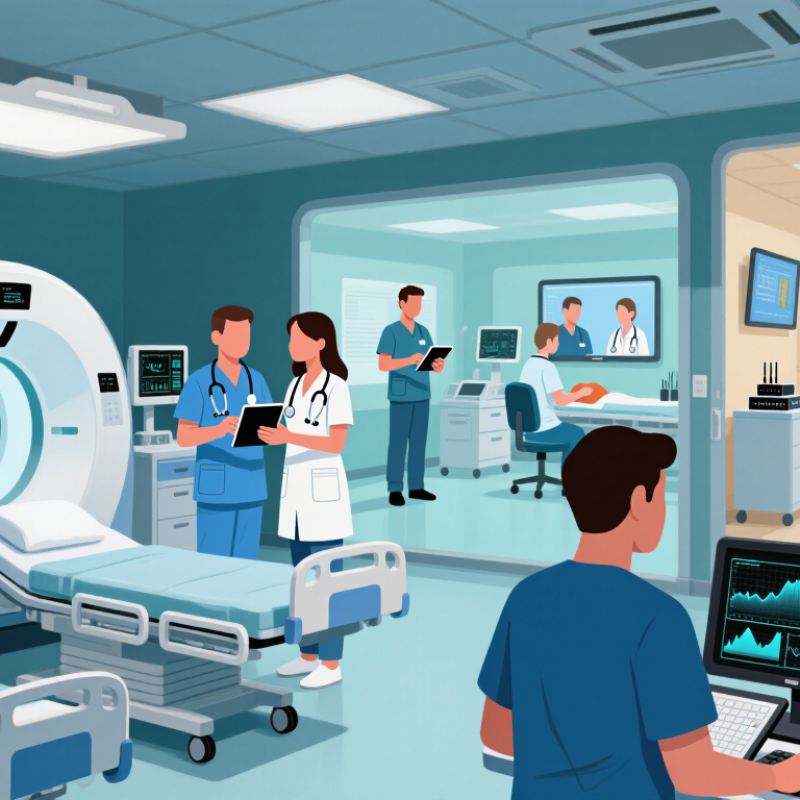
Healthcare technology suppliers do more than ship equipment across borders. They connect manufacturers, hospitals, clinics, and service teams. Their offerings may include diagnostic devices, patient-monitoring systems, software, replacement parts, and staff training. A rural clinic might need a rugged monitor, clear setup instructions, and a technician who can respond when it fails. Practical support matters. The WHO’s Global Health Expenditure Report 2024 estimated that health spending reached 10.3% of global GDP in 2022. That scale creates demand, but it does not mean every facility can buy or maintain the same technology.
Global supply also depends on infrastructure and local workflows. ITU’s Facts and Figures 2023 estimated that 2.6 billion people remained offline, a reminder that connected tools cannot serve everyone equally. Access still varies. Suppliers must consider power reliability, internet access, language, staff skills, and the availability of spare parts. A product that works smoothly in a large city may be difficult to maintain in a remote clinic. Compatibility can be awkward, too. Buyers should examine training, repair arrangements, data handling, and device performance in real clinical settings—not just the catalogue. These details are less exciting than new features, but often determine whether technology stays useful.
10 Best Healthcare Tech Suppliers for Global Buyers - Understanding Healthcare Technology Suppliers and Their Global Role
A practical comparison of ten healthcare technology supplier categories, their typical offerings, global role, and key procurement checks.
| Supplier Category | Typical Products or Services | Global Role | Key Buyer Checks | Relevant Standards or Requirements |
|---|---|---|---|---|
| Medical Imaging Equipment | X-ray, ultrasound, computed tomography, and magnetic resonance imaging systems; installation and maintenance services. | Supports diagnostic imaging in hospitals, clinics, and specialist centers. Installation, room requirements, staff training, and ongoing servicing can be important parts of the purchase. | Check intended clinical use, local product authorization, site and power requirements, service coverage, spare-parts availability, and total lifecycle cost. | Medical-device requirements vary by market. Electrical safety, electromagnetic compatibility, radiation protection, and local imaging regulations may apply. |
| In Vitro Diagnostic Suppliers | Laboratory analyzers, diagnostic tests, reagents, sample-handling products, and related quality-control materials. | Provides testing capabilities for clinical laboratories, hospitals, and decentralized care settings. Reliable reagent supply and trained technical support are essential for continuous testing. | Verify intended use, test performance evidence, sample and storage requirements, analyzer-reagent compatibility, quality-control procedures, and continuity of supply. | Product registration and laboratory quality requirements depend on jurisdiction and test type. ISO 15189 is a widely used medical-laboratory quality standard. |
| Patient Monitoring Suppliers | Bedside monitors, wearable monitoring devices, sensors, central monitoring systems, and clinical alarm-management tools. | Helps care teams observe vital signs and other patient data in hospitals, clinics, and selected home-care settings. | Assess measurement capability, alarm configuration, interoperability, cybersecurity, cleaning instructions, battery performance, and availability of service support. | Medical-device regulation, electrical safety, electromagnetic compatibility, and data-protection rules may apply, depending on the product and market. |
| Infusion and Medication-Delivery Suppliers | Infusion pumps, syringe pumps, administration sets, and supporting software or accessories. | Supports controlled delivery of fluids and medicines in clinical environments. Safe operation depends on appropriate training, maintenance, and compatible consumables. | Check approved use, dose limits, alarms, compatibility of disposables, maintenance intervals, user training, and procedures for product updates or recalls. | Applicable medical-device rules and electrical-safety requirements vary by country. Buyers should confirm local authorization and relevant clinical-use instructions. |
| Surgical Instruments and Equipment Suppliers | Reusable and single-use instruments, operating-room equipment, and procedure-specific tools. | Provides equipment for surgical services across public and private health systems. Reprocessing requirements and instrument availability affect operating-room readiness. | Confirm intended procedures, material and durability information, cleaning and sterilization instructions, traceability, training, and replacement-part access. | Medical-device registration and recognized reprocessing guidance may apply. Requirements depend on instrument type and the regulations of the destination market. |
| Sterilization and Infection-Control Suppliers | Steam sterilizers, low-temperature sterilization equipment, disinfectants, packaging, and process-monitoring products. | Supports infection-prevention programs and the safe reuse of eligible medical devices in healthcare facilities. | Review validated cycle specifications, compatibility with intended instruments, installation needs, operator training, maintenance, and documentation of process monitoring. | ISO 17665 addresses moist-heat sterilization of health-care products; other standards and local guidance may apply to different sterilization methods. |
| Healthcare Information-System Suppliers | Electronic health record systems, laboratory and imaging information systems, scheduling tools, and clinical data-management services. | Enables care teams and administrators to document, retrieve, and exchange healthcare information across clinical settings. | Evaluate interoperability, data migration, access controls, backup and recovery, uptime commitments, privacy safeguards, and long-term support. | Privacy, cybersecurity, health-record retention, and data-location requirements vary by jurisdiction. HL7 FHIR is a widely used standard for exchanging healthcare information. |
| Telehealth and Remote-Care Suppliers | Video consultation platforms, remote monitoring services, connected home-care devices, and patient communication tools. | Can extend access to care for patients outside traditional clinic settings, subject to local clinical, licensing, and connectivity conditions. | Check clinical workflow fit, accessibility, device connectivity, identity verification, privacy controls, support arrangements, and procedures for urgent cases. | Requirements for telemedicine practice, cross-border care, personal data, and medical-device software differ among jurisdictions. |
| Medical-Device Contract Manufacturers | Design support, component sourcing, assembly, testing, packaging, and manufacturing services for medical-device developers. | Helps device developers scale production and access specialist manufacturing capabilities across regions. | Assess quality-system maturity, supplier controls, process validation, traceability, change management, audit access, and business-continuity planning. | ISO 13485 specifies quality-management-system requirements for organizations involved in medical devices; regulatory responsibilities remain product- and role-specific. |
| Medical Consumables and Personal Protective Equipment Suppliers | Examination gloves, masks, gowns, syringes, dressings, and other frequently used clinical supplies. | Maintains routine clinical operations and supports preparedness for demand surges. Consistent availability and product specifications are central to procurement. | Verify intended use, material and performance specifications, sizing, shelf life, storage conditions, lot traceability, and supply-chain resilience. | Product classification, conformity assessment, labeling, and import requirements vary by item and destination market; buyers should confirm local rules. |
Note: These are supplier categories, not a ranked list of individual companies. Applicable standards and regulatory requirements depend on product classification, intended use, and destination market.
Related Posts
-

How to Choose Health Care Solutions in 2026?
-

Top Health Care Solutions for Global Buyers to Consider?
-
Top Medical Equipment Innovations Transforming Healthcare Today?
-
China Top Health Care Solutions for Global Buyers
-
Top 10 Healthcare Tech Types for Global Buyers
-

Top 10 Tips for Choosing the Best Clinical Furniture?