What Are the Best Hospital Beds for Home in China?
Choosing hospital beds for home in China is no longer a niche decision. China’s ageing population is changing home-care needs. According to the National Bureau of Statistics, 296.97 million Chinese residents were aged 60 or above in 2023. They represented 21.1% of the population. The World Health Organization also projects that one in six people worldwide will be aged 60 or older by 2030. These figures make safe home recovery increasingly important.
But a home bed is not simply a smaller hospital bed. It must fit the room, caregiver routine, and patient condition. A narrow bedroom may require a compact electric frame. A patient with limited mobility may need height adjustment, a pressure-relieving mattress, and secure side rails. Caregivers should also check the working load, emergency lowering function, wheel locks, noise level, warranty, and after-sales service. Small details matter.
Dr. Bruce Leff, a leading Hospital at Home researcher, described the care model as “hospital-level care to selected patients in their homes.” His point deserves reflection. A bed supports care, but it does not replace clinical assessment. This article compares hospital beds for home available in China through practical experience, safety considerations, published evidence, and user needs. WHO guidance, China’s national demographic data, and manufacturer specifications provide useful reference points. Still, product claims can be incomplete. Buyers should verify them independently. The best choice may not be the most expensive model. It is the bed that remains stable, cleanable, adjustable, and workable for the person who will use it every day.
Types of Hospital Beds Available for Home Care in China
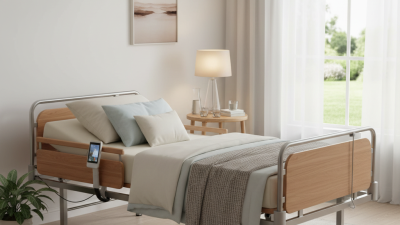
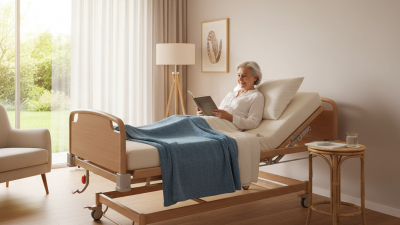
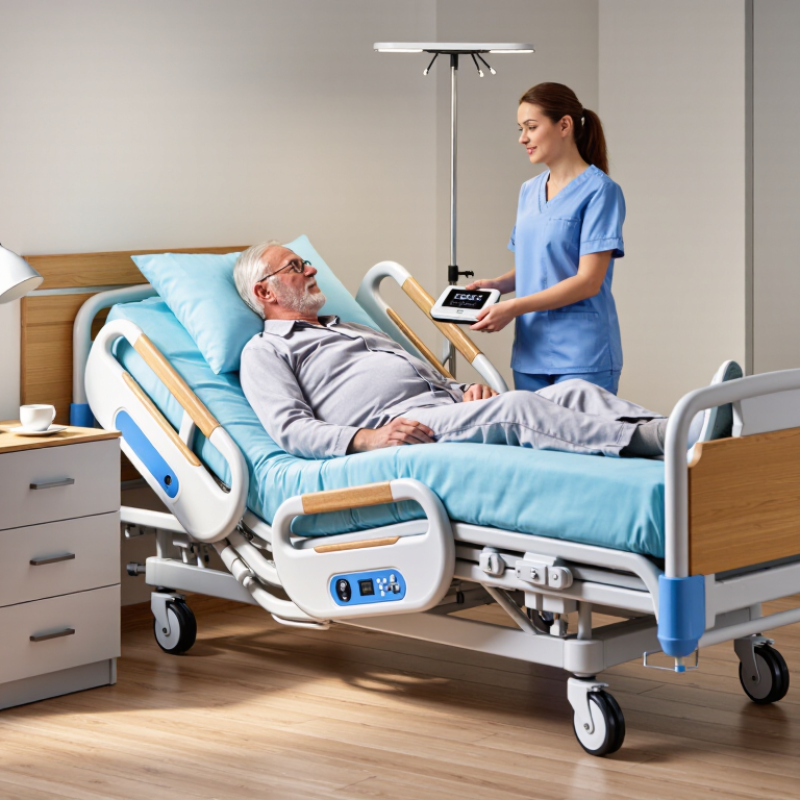
Choosing a hospital bed for home care in China starts with the patient’s daily needs, not the number of functions. Manual two-function beds usually adjust the back and legs with hand cranks. They cost less and remain useful where electricity is unstable. However, turning the crank can challenge an older caregiver. Electric three-function beds add height adjustment, which helps nurses and family members protect their backs during transfers.
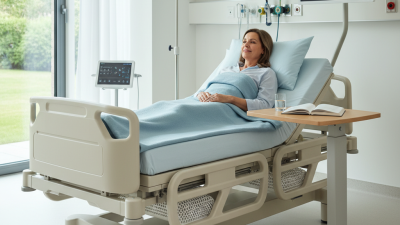
Five-function electric beds often include back, leg, height, tilt, and side-position adjustments. These features support patients who need frequent repositioning or spend long hours in bed. Low beds can reduce injury risks during falls, while nursing beds with split side rails offer added protection. Wider reinforced beds may suit heavier users, but room size and door width must be checked carefully. A bed that cannot enter the bedroom is not a practical choice.
From home-care assessments, mattress compatibility matters as much as the frame. A pressure-relieving mattress should fit without gaps, and waterproof covers simplify cleaning after meals or bathing. Look for clear instructions, emergency lowering, stable casters, and accessible replacement parts in China. Ask a qualified clinician to assess posture, transfer ability, and pressure-injury risk. More functions are not always better. Controls can confuse users, and some families discover this too late. Measure the room, test the controls, and confirm service support before purchase.
Key Features That Define a High-Quality Home Hospital Bed
What Are the Best Hospital Beds for Home in China?
Key Features That Define a High-Quality Home Hospital Bed
A high-quality home hospital bed should support safety, comfort, and daily caregiving. Adjustable height helps nurses and family members work with less back strain. Back and leg sections should move smoothly, without sudden stops or loud motor noise. A firm mattress platform also helps prevent uncomfortable pressure points during long periods in bed.
Reliable side rails reduce accidental falls, but they must release easily in emergencies. Lockable casters keep the bed steady during transfers. A waterproof, breathable mattress cover makes cleaning easier in humid conditions. For homes in China, check the bed’s width, doorway clearance, power requirements, and after-sales service before purchase. A strong frame matters, but excessive weight can make room changes difficult.
Tips: Measure the bedroom, elevator, and doorway first. Test every control with the intended user. Ask whether the bed has manual backup functions during power interruptions. Confirm cleaning instructions and replacement-part availability. More functions are not always better. In real home care, a simple control panel may prevent mistakes. I have seen families focus on appearance, then struggle with poor maneuverability. That small detail deserves more attention. Also check noise levels at night, especially when a patient shares the room. A practical bed should fit the person, caregiver, and home—not just the product brochure.
How to Match a Hospital Bed to Different Patient Needs
The best home hospital bed in China is not the most expensive model. It is the bed that matches the patient’s mobility, breathing, weight, and caregiver support. China’s National Bureau of Statistics reported 216.76 million people aged 65 or above in 2023, representing 15.4% of the population. That shift increases demand for safer home-care equipment.
For patients who can sit but struggle to stand, an electric backrest and knee adjustment can reduce transfer strain. A low-height setting matters for fall-prone users. For people with limited mobility, choose a pressure-relieving mattress, stable side rails, and smooth-locking casters. The World Health Organization and UNICEF reported in Global Report on Assistive Technology that more than 2.5 billion people need assistive products worldwide. A bed should support daily function, not simply imitate a hospital room.
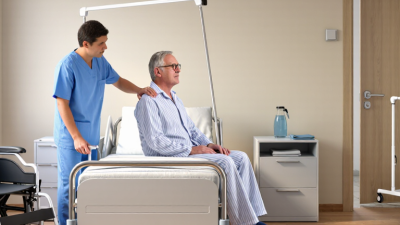
Caregiver needs are equally important. A taller caregiver may need height adjustment to protect the back during repositioning. A narrow room requires careful measurement, including space for turning the bed and opening doors. Check the patient’s weight against the stated safe working load. Ask a clinician about rail use, especially for confused patients, because rails can sometimes increase climbing risks. One common mistake is choosing many functions without practicing them. More buttons do not guarantee better care. I would recheck transfer height after delivery, because household floors, mattresses, and patient strength can differ from the showroom plan.
How to Choose a Reliable Hospital Bed Supplier in China
What Are the Best Hospital Beds for Home in China?
Choosing a reliable hospital bed supplier in China requires more than comparing prices. Start with the patient’s daily needs. Consider adjustable height, backrest movement, side rails, mattress size, and safe working load. A quiet motor matters in a bedroom. So does easy cleaning.
Ask the supplier for clear product specifications and recent test reports. Check whether the factory follows a recognized medical-device quality system, such as ISO 13485, where applicable. Confirm that materials, electrical parts, and safety features meet the regulations of your destination country. Do not rely on certificates shown only in a sales message. Request complete documents and verify their validity.
A dependable supplier should explain production steps, inspection procedures, packaging, and spare-parts support. Ask for photos or videos of the actual factory, not only polished catalog images. A sample order can reveal uncomfortable details, such as noisy casters, weak brakes, or difficult controls. These problems are easy to miss on paper.
Communication is another practical test. Can the supplier answer technical questions accurately? Can they provide English manuals and installation guidance? Can they describe warranty limits without vague promises? A low quotation may hide poor after-sales service or expensive replacement parts. No supplier is perfect, and buyers should admit that specifications may need revision after real testing. A careful checklist, independent inspection, and written agreement reduce avoidable surprises.