How to Choose the Best Medical Furniture for Your Facility?
Choosing the right medical furniture is crucial for any healthcare facility. It impacts both patient care and staff efficiency. According to a report by MarketWatch, the global medical furniture market is expected to reach $11 billion by 2026. This indicates a significant growth, underscoring the importance of the right choices in medical furniture to cater to evolving healthcare needs.
Dr. Sarah Klin, a leading expert in healthcare design, emphasizes, "The best medical furniture prioritizes both comfort and functionality." Her insights reflect the necessity of considering ergonomics and utility in furniture design. A facility equipped with high-quality medical furniture not only enhances the patient experience but also reduces staff fatigue.
Selecting medical furniture involves evaluating various factors like material durability, ease of cleaning, and space utilization. While some facilities may prioritize aesthetics, overlooking functionality may lead to inefficiencies. Reflecting on these aspects can guide decision-making. Hence, investing time in researching the best options is essential for maximizing the benefits of medical furniture.
Understanding the Different Types of Medical Furniture Available
Choosing the right medical furniture is crucial for any healthcare facility. It directly impacts the comfort of patients and the efficiency of staff. Understanding the different types helps streamline this decision.
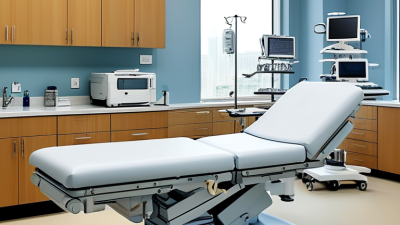
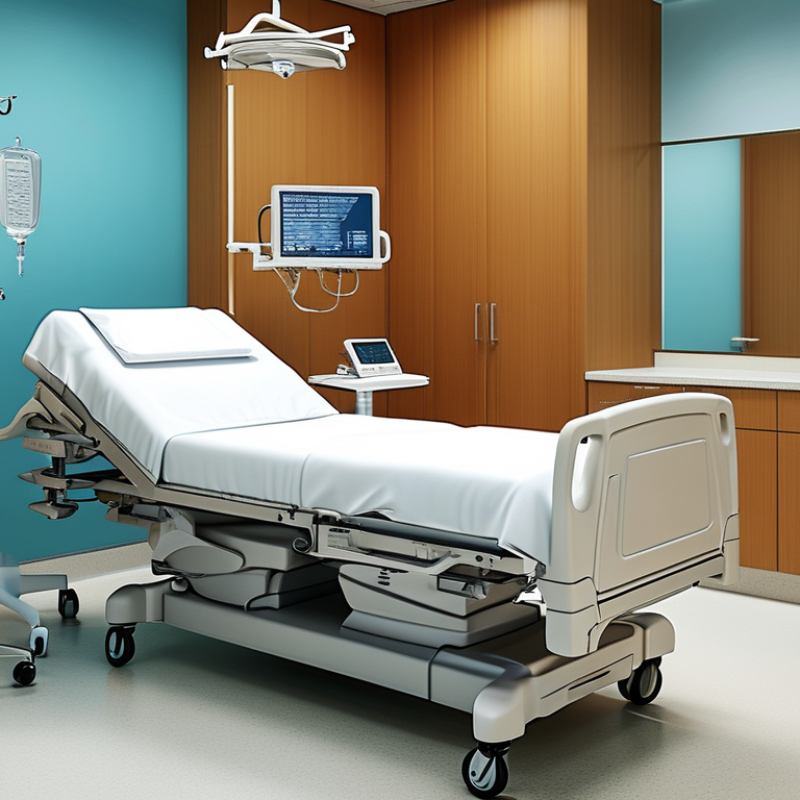
There are various categories of medical furniture, including examination tables, waiting room chairs, and medical carts. Examination tables should provide stability and support for different procedures. They come in adjustable heights to accommodate various needs. Waiting room chairs need to be comfortable but also durable, as they experience heavy use.
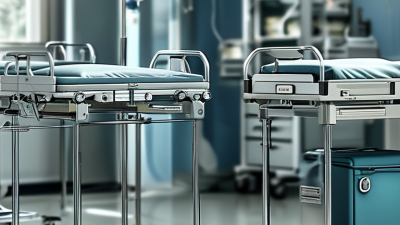
Medical carts play a vital role in organization and accessibility. These carts can hold essential supplies and are often mobile, allowing for quick responses. While these pieces seem standard, each type has unique features that require careful consideration. Reflecting on specific needs will lead to better choices and improved operational flow. Selecting the right furniture can sometimes lead to oversight; ensure every piece aligns with practical needs and patient comfort.
How to Choose the Best Medical Furniture for Your Facility?
| Type of Medical Furniture |
Purpose |
Features |
Considerations |
| Examination Tables |
Used for patient examinations and assessments |
Adjustable height, cushion support, storage |
Size, weight capacity, ease of cleaning |
| Medical Chairs |
For patient consultations and treatments |
Swivel base, adjustable arms, durable fabric |
Comfort, mobility, patient accessibility |
| Storage Cabinets |
To store medical supplies and equipment |
Lockable doors, adjustable shelves, durable construction |
Space efficiency, security features |
| Surgical Tables |
For surgical procedures |
Height adjustment, tilt capabilities, radiolucent |
Weight limits, power options, cleaning requirements |
| Patient Stretchers |
For transporting patients |
Wheels, adjustable backrest, safety straps |
Weight capacity, maneuverability, durability |
Assessing the Needs of Your Healthcare Facility
Assessing the needs of your healthcare facility is essential before selecting medical furniture. Begin by evaluating the specific requirements of your staff and patients. Different departments may have unique needs. For instance, waiting areas require comfortable seating, while examination rooms need functional tables. It’s important to gather input from caregivers and administrative personnel. Their insights can guide you toward the best options.
Consider space limitations and patient flow. A well-designed layout can improve efficiency and comfort. Analyze how furniture placement affects accessibility for those with mobility challenges. Additionally, think about durability and ease of cleaning. Healthcare environments demand furniture that can withstand constant use and frequent sanitation. Reflecting on these factors can reveal the true needs of your facility.
Cost is also a factor to contemplate. Quality medical furniture often comes at a higher price. Balancing quality and budget may require difficult choices. It’s important to invest wisely to ensure long-term performance. Regularly review how the chosen furniture meets evolving healthcare standards. This ongoing assessment will enhance your facility's capability to deliver quality care.
Choosing the Best Medical Furniture for Your Healthcare Facility
Evaluating Quality and Durability of Medical Furniture
When selecting medical furniture, quality and durability are paramount. The furniture must withstand daily use in a demanding environment. High-quality materials ensure longevity. Look for fabrics that resist staining and can be easily cleaned. Metal frames should be sturdy yet lightweight for easy mobility.
It’s crucial to evaluate the construction of the furniture. Joints and seams should be reinforced to prevent wear. Consider testing the weight capacity. Overloading can lead to premature failure. Inspect for any signs of weak points before making a purchase.
Each facility has unique needs. You might find that not all furniture fits your space perfectly. Take time to assess the dimensions and functionality. Some designs may look appealing but might not offer adequate support or comfort. Evaluate user feedback to understand real-life experiences. Knowing that furniture can falter under constant use makes effective selection even more important.
Considerations for Ergonomics and Comfort
Choosing the right medical furniture is crucial for any healthcare facility. Prioritizing ergonomics and comfort can enhance both patient and staff experience. According to studies, around 80% of healthcare workers report discomfort due to inadequate furniture. This discomfort can lead to decreased productivity and increased staff turnover.
When selecting medical furniture, consider the design. Look for adjustable chairs and tables that suit various body types. Research indicates ergonomic designs can reduce musculoskeletal disorders by 50%. Comfortable seating in waiting areas can lessen patient anxiety and improve satisfaction rates. Remember, the layout should allow for easy movement and access to essential equipment.
It is essential to evaluate materials. Anti-microbial surfaces can enhance cleanliness while soft, cushioned materials offer comfort. Regular assessments of furniture condition are vital for safety and usability. Engage staff in preferences, as their feedback will provide insights into daily comfort levels. Over time, furniture can wear out, necessitating periodic review and replacement. Prioritizing ergonomics today can lead to healthier, happier staff and patients tomorrow.
Budget Planning and Cost-Effectiveness in Medical Furniture Selection
Budget planning in medical furniture selection requires careful attention. Start by evaluating your facility’s specific needs. Consider the types of services you provide. This will influence your furniture choices. For example, a surgical center may need more specialized seating than a general practice.
Next, research the costs associated with different furniture options. Look for durable and easy-to-clean materials tailored for medical environments. While cheaper options may seem appealing, they can lead to higher long-term costs due to maintenance and replacement.
Evaluate warranty terms and customer service. A reliable supplier can save you time and money in the future. Additionally, involve your staff in the decision-making process. Gather their input on comfort and functionality. This ensures the selected furniture is effective for daily operations. Be open to feedback and adjust your choices accordingly. Balancing budget and quality is crucial for the overall success of your medical facility.