How to Choose the Right Medical Carts for Your Healthcare Facility?
Choosing the right medical carts is an important decision for any healthcare facility. Medical carts serve as essential tools for assisting staff in providing patient care efficiently. They come in various designs and configurations, tailored for specific needs.
When selecting medical carts, consider factors like durability and ease of movement. High-quality materials ensure longevity in demanding environments. However, not all carts may meet the rigorous standards of a busy hospital. It is crucial to assess your facility's specific requirements and the tasks that the carts will support.
Understanding these needs can help you avoid common mistakes, such as overestimating capacity or underestimating space limitations. By reflecting on actual use cases and adapting accordingly, facilities can improve workflow and enhance patient care. Investing time to choose the right medical carts ultimately contributes to a safer and more organized healthcare environment.
Factors to Consider When Selecting Medical Carts for Healthcare Facilities
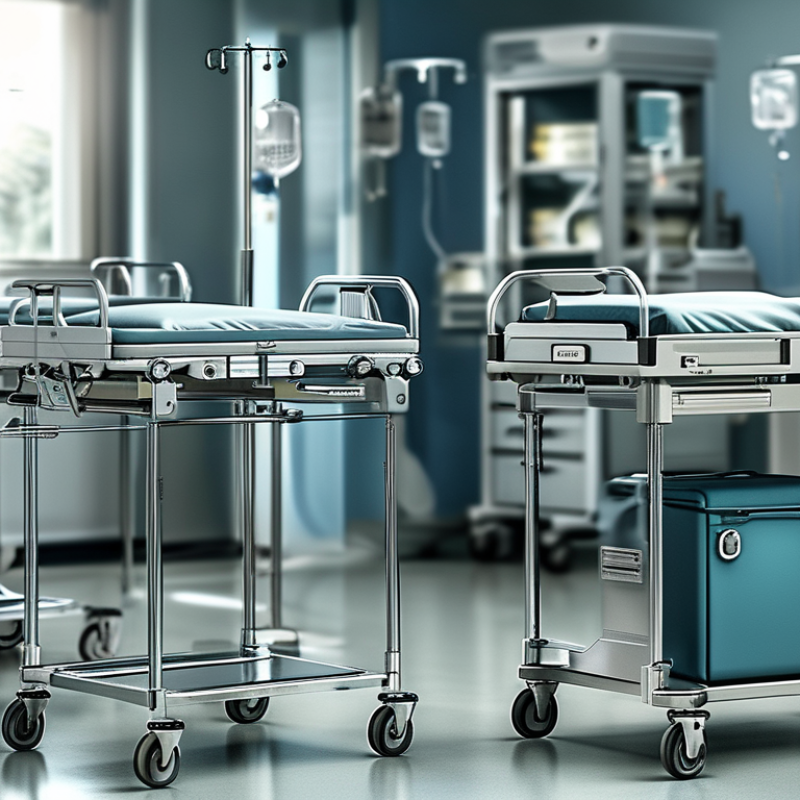
When selecting medical carts for healthcare facilities, various factors must be considered. The design and layout of the carts should match the specific needs of the healthcare environment. For example, consider the type of medical procedures frequently performed. Carts must provide easy access to medications and equipment when seconds count.
Material selection is crucial for durability and cleanliness. Stainless steel or high-grade plastics are ideal; they help prevent contamination and can withstand harsh cleaning agents. Choosing the right size is also essential. Carts that are too large can be unwieldy in tight spaces, while those that are too small may not hold necessary supplies.
**Tips:** Assess your workflows. Identify what items are critical for daily tasks. Create a checklist of must-have features like lockable drawers, adjustable shelves, or integrated charging ports. Don’t overlook mobility; wheels should be sturdy and maneuverable, especially in busy environments. Test the carts before purchase; simulation can highlight any shortcomings. Ensuring that the carts align with actual needs may reveal overlooked details, aiding in making a reflective choice.
Types of Medical Carts and Their Specific Uses in Patient Care
In any healthcare facility, selecting the right medical cart is crucial for effective patient care. Medical carts come in various types, each serving specific purposes. For instance, medication carts are designed to store and organize medications efficiently. They often feature compartments for quick access and a secure locking mechanism for safety. Meanwhile, crash carts are essential during emergencies. These carts hold life-saving equipment and medications, ensuring that healthcare professionals can respond promptly.
Another notable type is the supply cart, used for transporting medical supplies. These carts are equipped with shelves and bins, allowing easy organization. Staff can quickly locate and retrieve supplies during procedures. Additionally, treatment carts are essential for nursing activities. They can hold instruments and materials required for patient care, keeping everything within reach. However, the challenge lies in selecting carts that best fit specific workflows and spaces in your facility. Observing your team's needs and the layout can greatly affect efficiency and patient outcomes. Be mindful of your choices, as the wrong type can hinder workflow rather than enhance it.
Types of Medical Carts and Their Usage in Patient Care
Assessing the Size and Configuration Requirements of Medical Carts
Choosing the right medical carts for a healthcare facility involves careful consideration of size and configuration. Medical carts come in various sizes, which can influence workflow significantly. According to the Journal of Healthcare Engineering, a cart that is too large may impede movement in crowded spaces. Conversely, smaller carts can limit storage capacity, forcing staff to make frequent trips to supply areas.
The ergonomic configuration of medical carts is also vital. Research published in the American Journal of Nursing highlights that carts designed with height-adjustability reduce strain during use. This is essential in busy settings like emergency rooms. The layout should allow for easy access to essential tools and supplies without clutter. For instance, a cart with organized, labeled compartments enhances efficiency and minimizes time spent looking for items.
Moreover, healthcare teams must evaluate workflow patterns when selecting medical carts. While many facilities default to standard designs, individual needs may vary widely. A facility's layout, staff height diversity, and specific medical procedures should drive these decisions. In adapting to these elements, healthcare facilities can improve both staff satisfaction and patient care outcomes.
Evaluating the Material Durability and Maintenance Needs of Medical Carts
When selecting medical carts for a healthcare facility, material durability and maintenance needs are crucial. Carts must endure rigorous daily use. According to a study by the Healthcare Supply Chain Association, about 30% of healthcare facilities report frequent wear and tear on their equipment. This highlights the need for durable materials like stainless steel or high-density polyethylene.
Durable materials resist corrosion and scratches, ensuring longevity. Maintenance is essential, too. Regular cleaning and inspections help identify issues early, extending the cart’s lifespan. A report from the Association for the Healthcare Environment indicates that well-maintained carts can last up to 15-20% longer than those neglected.
Tips: Focus on carts with smooth surfaces; they are easier to clean. Also, check for the easy replacement of wheels and components. Invest time in staff training on proper maintenance for maximum efficiency. Consideration of both durability and maintenance can lead to better resource management in your facility.
Budgeting and Cost-Effectiveness in Medical Cart Selection Process
When selecting medical carts, budgeting plays a crucial role. It influences choices across functionality, durability, and design. Healthcare facilities often face tight budgets. Recognizing this, it becomes essential to prioritize features that enhance efficiency and patient care without overspending.
Consider the cart’s purpose and required features. A basic medication cart may cost less upfront. However, it could lack features vital for specific departments. Investing in multi-functional carts often leads to greater long-term savings. Every healthcare facility should evaluate whether initial savings result in additional costs later. Not all cheap carts are reliable. Sometimes, they break down quickly, leading to more expenses on repairs.
Assessing the cost-effectiveness of medical carts also means considering their lifespan. Higher-quality carts may present higher initial costs but can outlast cheaper alternatives. Also, think about maintenance expenses. Finding the right balance between cost and utility requires careful analysis. Inadequate planning can lead to regretful purchasing decisions. Keeping the focus on overall benefits ensures that budgeting enhances care quality more than it restricts resources.