
What Is a Surgical Bed Used For?
A surgical bed is more than a padded platform in an operating room. It supports the patient, surgical team, and procedure from transfer through recovery. Its adjustable height helps staff move the patient safely and maintain suitable working positions. Sections can tilt, raise, or lower different parts of the body. These adjustments improve access to the surgical site and support accurate patient positioning.
The bed also works with anesthesia equipment, surgical lights, imaging devices, and positioning accessories. In practice, nurses check the brakes, weight limit, side rails, padding, and attachment points before the procedure begins. They protect pressure-sensitive areas, such as the heels, elbows, and back of the head. Small details matter. A poorly adjusted bed can restrict access, increase movement, or contribute to pressure-related injury. The surgical bed must remain stable during every stage of care.
Its exact use depends on the operation. General surgery may require a flat or slightly tilted position. Orthopedic procedures often need firm support and specialized attachments. Some models allow imaging equipment to pass beneath the patient. Others support robotic or minimally invasive surgery. No surgical bed is perfect. Its effectiveness depends on correct setup, trained staff, patient condition, and manufacturer guidance. Understanding these limits gives readers a more realistic view of what this equipment does and why careful preparation remains essential.
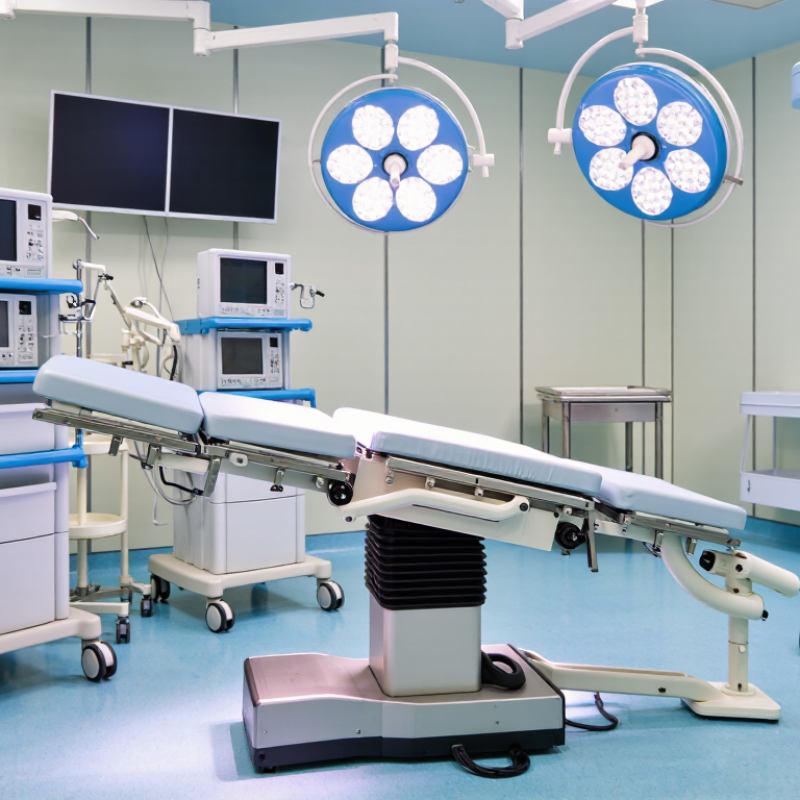
What Is a Surgical Bed?
A surgical bed is a powered, adjustable platform used during operations and selected clinical procedures. It supports the patient while clinicians maintain a stable working position. Unlike an ordinary hospital bed, it can raise, lower, tilt, and divide into sections. These movements help create access for abdominal, orthopedic, cardiac, and neurological procedures. Some models also allow imaging equipment to pass beneath the patient.
The need is substantial. The Lancet Commission estimated that about 313 million surgical procedures occur worldwide each year. The World Health Organization also identifies surgery as a high-risk care area requiring stronger safety systems. A properly designed surgical bed supports pressure distribution, patient alignment, and controlled transfers. Its side rails, locking wheels, and weight limits matter. One overlooked detail is mattress compression. A thin cushion can leave pressure on the heels or shoulder blades during a long operation. That risk deserves more attention.
Tips: Confirm the safe working load before positioning. Lock the wheels before transferring a patient. Check every adjustment point, accessory, and cable. Keep the patient’s head, joints, and airway visible to the team. Maintenance records should follow manufacturer instructions and relevant standards, such as IEC 60601-2-46. Bed design helps, but it cannot replace careful observation. I still find positioning checks too easy to rush when the operating room feels busy.
What Is a Surgical Bed Used For? - What Is a Surgical Bed?
| Data Dimension | Typical Information | Primary Use | Clinical or Operational Note |
|---|---|---|---|
| Definition | A motorized or manually adjusted medical table designed to support a patient during surgery or an invasive procedure. | Provides a stable, accessible platform for positioning the patient and supporting the sterile surgical workflow. | It is commonly called an operating table or operating room table. |
| Main Surgical Use | Supports procedures performed under general, regional, or local anesthesia. | Maintains the patient in a controlled position while the surgical team performs the procedure. | The table must remain stable throughout the operation. |
| Patient Positioning | Common positions include supine, prone, lateral, lithotomy, Trendelenburg, and reverse Trendelenburg. | Improves access to the operative site and helps maintain the required anatomical alignment. | Position selection depends on the procedure, patient condition, and surgical team assessment. |
| Height Adjustment | Powered or manual vertical adjustment allows the table surface to be raised or lowered. | Supports ergonomic access for surgeons, anesthetists, and other operating-room staff. | Safe working height helps reduce unnecessary bending and awkward posture. |
| Table Articulation | Sections may include a back section, leg section, head section, and central or kidney bridge. | Allows the surface to be shaped to meet procedural and anatomical requirements. | Adjustments should be coordinated to avoid strain, sliding, or pressure on the patient. |
| Imaging Compatibility | Some tables use radiolucent sections or a removable top to permit intraoperative imaging. | Facilitates procedures that require fluoroscopy, radiography, or other image-guided techniques. | The imaging system and table must be verified as compatible before use. |
| Patient Safety | Safety features may include a padded surface, side rails, safety straps, brakes, and a weight-rated frame. | Reduces the risk of falls, unintended movement, and pressure-related injury. | Staff should follow facility protocols for positioning, restraints, transfer, and weight limits. |
| Anesthesia Access | The design provides access to the patient's head, airway, and upper body during anesthesia care. | Supports airway management, monitoring, intravenous access, and emergency intervention. | Positioning must preserve safe access for the anesthesia professional. |
| Procedure Categories | Used in general surgery, orthopedic surgery, neurosurgery, gynecology, urology, vascular surgery, and other specialties. | Provides a configurable platform for open, minimally invasive, and image-guided procedures. | Accessories and table configuration vary according to the specialty and procedure. |
| Accessory Support | Compatible attachments may include arm boards, leg supports, headrests, traction devices, clamps, and imaging accessories. | Adapts the table to specific surgical positions and equipment requirements. | Only approved accessories with appropriate load ratings should be used. |
| Cleaning and Infection Control | Smooth, sealed, and fluid-resistant surfaces are commonly used for routine cleaning and disinfection. | Supports infection-prevention procedures between patients and after contamination. | Cleaning agents and methods should follow the equipment instructions and healthcare-facility policy. |
Related Posts
-

China Top Hospital Beds for Home Use Options for Enhanced Comfort and Care?
-
2026 Best Hospital Beds for Home Use What to Consider?
-
What Are the Top Surgical Bed Types in 2026?
-
China Top 10 Hospital Chair Manufacturers for Global Buyers
-
Top Adjustable Hospital Beds for Seniors Buyers Guide
-

Top 10 Healthcare Tech Innovations Transforming Patient Care?