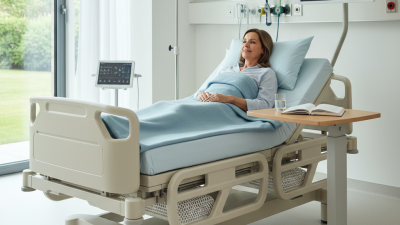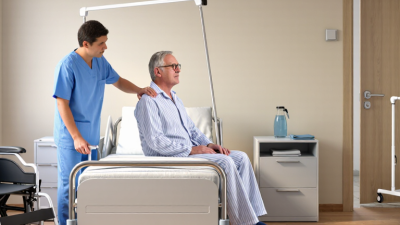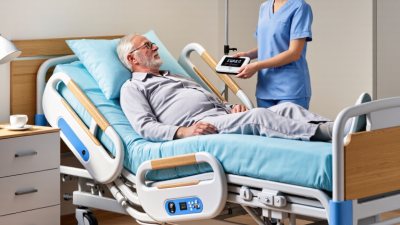
Medical beds are purpose-built care surfaces, not simply ordinary beds with adjustable frames. They can help caregivers position patients, reduce strain during transfers, and support safer daily care. The right design depends on the person, the setting, and the tasks involved. Small details matter.
Some medical beds raise or lower the entire frame. Others adjust the head and knee sections, use side rails, or include pressure-redistribution surfaces. A hospital bed may need frequent adjustments and easy-clean materials. A home-care bed may need to fit through a narrow doorway and leave room for a walker. Not every feature helps every patient. Bed selection should reflect individual needs and guidance from qualified clinicians, not a feature list alone.
Florence Nightingale, a pioneer of nursing and hospital care, wrote: “The very first requirement in a Hospital is that it should do the sick no harm.” Her words address care environments broadly, but they offer a useful lens for choosing a bed: comfort and safety must work together. This guide explains what medical beds are, how common types differ, and which features deserve closer attention. It also considers practical limits, such as room size, transfer needs, and caregiver access. A bed can look suitable in a catalog yet prove awkward beside a real bedside table. That gap deserves honest attention. The aim is not to find one perfect model, but to understand the trade-offs and ask better questions before choosing.
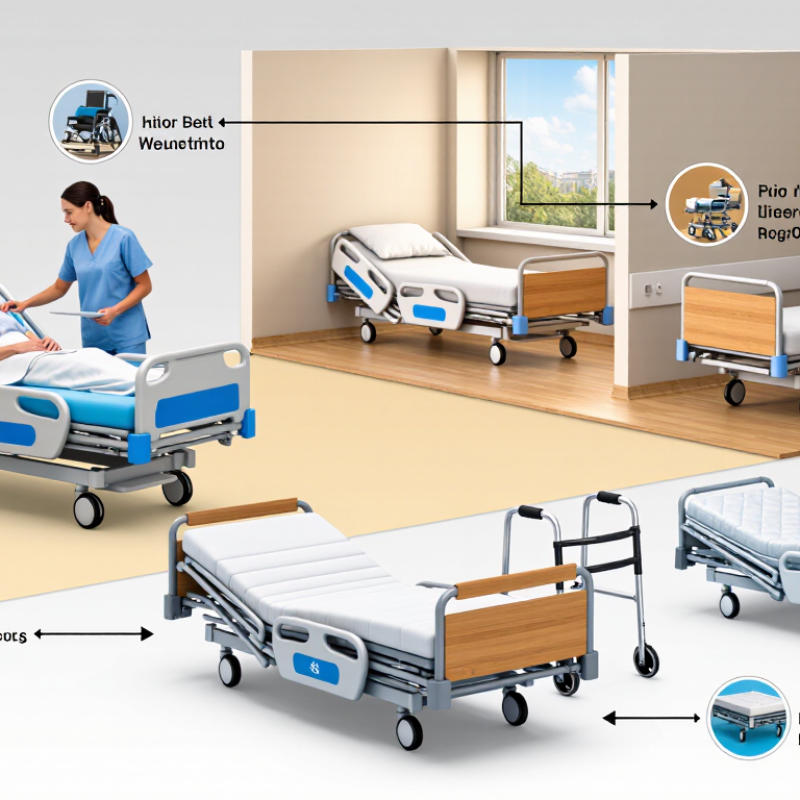
A medical bed is designed to support care, comfort, and safer movement when an ordinary bed may not meet a person’s needs. Its defining feature is practical adjustability: the sleeping surface can often be raised or lowered, while the head or leg sections move to different positions. These changes can help with getting in and out of bed, repositioning, and routine care. Details matter. A bed may look clinical, but appearance alone does not make it a medical bed.
Some beds also have locking wheels, a hand control, or side rails. These features are not universal, and they should suit the person using the bed. For example, a low bed may help someone who has difficulty stepping down, while adjustable sections may support a person who needs frequent position changes. Rails can create risks if they do not fit the user’s mobility and care plan, so they are not automatically safer. The term “medical bed” covers a range of designs, rather than one fixed setup. Choosing one means considering the user’s movement, room space, caregiver access, and the kind of care needed. It is easy to focus on features and miss daily comfort.
A medical bed differs from a standard bed through its adjustable frame and practical features for care. A standard bed usually stays at one height, with a fixed sleeping surface. Many medical beds let users raise the head or knees and change the overall bed height. That changes daily care. A caregiver can work at a safer level, while a person may find it easier to sit up or transfer. The exact adjustments vary by bed.
Rails, wheels, and hand controls may also be included, but they are not suitable for every person. Rails can create risks if chosen or used without considering mobility and confusion. They should not replace supervision or an individual safety assessment. Some beds pair with pressure-redistributing mattresses, which may help reduce prolonged pressure for certain users. Not everyone needs one. A clinician can help match the setup to a person’s needs.
Medical beds often have wipeable surfaces and locking wheels, details that matter during routine cleaning and repositioning. They can also take up more space and may feel unfamiliar at first. More adjustment is not automatically better. Controls can be confusing, and an elevated position may not feel comfortable to everyone. Check the room dimensions, transfer needs, and caregiver access before choosing a bed.
A medical bed is designed to make positioning and bedside care easier, but its features matter only when they suit the person using it. Many models raise or lower the sleeping surface, helping caregivers provide care without repeatedly bending. The head and foot sections may adjust separately. This can support comfortable sitting, leg elevation, or repositioning during rest. Small changes can make a real difference.
Controls are often hand-held, with clear buttons for changing bed position. Some beds include lockout controls to prevent accidental adjustments. Wheels allow the bed to move; brakes help keep it steady during transfers. Side rails may offer a handhold, but they are not automatically safer for everyone. A clinician should consider the user’s mobility and risks before recommending them. No feature works for every person.
Other details deserve attention. A compatible mattress and supportive deck can help maintain comfort as the bed moves. Weight limits, cleaning needs, and room clearance should also be checked before choosing a bed. Some models offer alarms or backup power, though these features may not be necessary in every setting. It is easy to focus on buttons and overlook the doorway, the caregiver’s reach, or the user’s changing needs. That deserves a second look.
Medical beds support care, comfort, and repositioning. Common types include manual, semi-electric, full-electric, and ICU beds.
Bars indicate whether a feature is typically available for each bed type. Side rails and CPR functions may be optional, and configurations vary by model.
Medical beds come in several designs, and the right choice depends on the person’s mobility, care needs, and room setup. Manual beds use hand cranks to adjust the head or foot sections. They can work well when adjustments are occasional, but changing positions takes physical effort. Semi-electric beds use a motor for head and foot movement, while height adjustment remains manual. Fully electric beds control both positioning and bed height with a handset. Convenient, yes—but check that the controls are easy to reach and understand.
Some beds are designed for specific needs. Low beds sit close to the floor and may help reduce injury risk if someone rolls out, though they do not prevent falls. Bariatric beds have wider frames and higher weight capacities; verify the rated limit before use. Pediatric beds include enclosed sides suited to a child’s size and care requirements. Specialty beds may provide pressure-redistributing surfaces for people who spend long periods in bed. Categories can overlap, and a bed alone does not replace an individualized care plan.
Tips: Measure the room, doorway, and bed space before choosing. Ask a clinician or equipment professional to assess transfer needs, mattress compatibility, and safe working load. If a control feels confusing during a trial, it may be confusing at home, too.
A medical bed is designed to support care, comfort, positioning, and safe transfers for people who are ill, injured, recovering, or living with limited mobility. The appropriate bed depends on the person’s needs, care setting, and advice from qualified healthcare professionals.
| Bed Type | Common Setting or Use | Typical Adjustments or Features | Important Considerations |
|---|---|---|---|
| Manual medical bed | Home care or facilities where powered adjustment is not required. | Crank-operated adjustment may raise or lower the head, knee section, or bed height, depending on the model. | Adjustments require physical effort from a caregiver. Check that the available functions meet the user’s care needs. |
| Semi-electric bed | Home care and long-term care settings. | Electric controls typically adjust the head and knee sections; bed height is commonly adjusted with a manual crank. | Confirm which functions are powered, as features vary by model. A suitable power source is needed for electric adjustments. |
| Full-electric bed | Home care, rehabilitation, and care facilities where frequent repositioning is needed. | Electric controls commonly adjust the head, knee section, and bed height. | Consider control accessibility, transfer needs, power requirements, and any caregiver training that may be needed. |
| Low bed | Care settings where reducing the distance to the floor may be helpful for a person at risk of falling out of bed. | Designed to lower close to the floor; some models also offer adjustable backrest and leg sections. | A low bed does not prevent falls. Consider floor-level safety, transfer ability, and the person’s care plan. |
| Bariatric bed | Care for people who need a wider bed and a higher weight capacity. | Often has a wider sleeping surface and a frame designed for a specified safe working load. | Check the manufacturer’s stated safe working load, mattress compatibility, room access, and transfer equipment needs. |
| ICU or critical-care bed | Hospital intensive care and other closely monitored clinical settings. | May include multiple positioning functions and features to support monitoring, treatment, and caregiver access. | Features vary. These beds are selected and operated by trained clinical staff according to the patient’s needs. |
| Pediatric medical bed | Hospitals or home care for infants and children who need a specialized bed. | May have child-sized dimensions, adjustable positioning, and enclosed sides or other safety features. | Choose equipment appropriate to the child’s age, size, mobility, and supervision needs; follow clinical guidance. |
| Birthing bed | Labor, delivery, and maternity care settings. | Adjustable sections can support different positions for labor, examination, and delivery. | Designed for supervised clinical use; configuration and features depend on the care setting and model. |
A medical bed should fit the person’s daily care needs, not just the room. Consider how easily they turn, sit up, and transfer to a chair. An adjustable bed can raise the head or legs, while a height-adjustable frame may help caregivers provide care without bending too far. Some beds can be lowered close to the floor. Small details matter.
Start with the tasks that happen each day. If getting in and out of bed is difficult, check the bed’s lowest and highest positions. If the person spends long periods lying down, ask a clinician whether a pressure-redistributing mattress is appropriate. Side rails may help with repositioning, but they are not suitable for everyone and can create risks. Discuss their use with a qualified care professional.
Measure the room, doorway, and space around the bed before choosing a frame. Check that the mattress fits the bed and that controls are reachable from the usual resting position. A nurse, occupational therapist, or other care professional can help assess mobility and transfer needs. No checklist catches everything. Revisit the choice if care needs change, or if the bed feels awkward in daily use.